Greetings Everyone… A little bit about what I’ve been up to…
Amy Spiers: Many of us knew each other from a residency last year at Bundanon. Activating Truth is a program of creative research activities bringing together First Peoples and settler artists and researchers from across Naarm/Melbourne, other parts of so-called ‘Australia’, as well as Turtle Island/Canada, to exchange and share knowledge on ways that the truth about settler colonial violence can be activated responsibly and impactfully in community and localised contexts. The idea for the program was instigated by Amy Spiers, and is an attempt to bring a range of separate conversations together on truth-telling and decolonisation through creative practice, and forge stronger partnerships and closer networks that can support, and deepen, all of our ongoing research in this space.
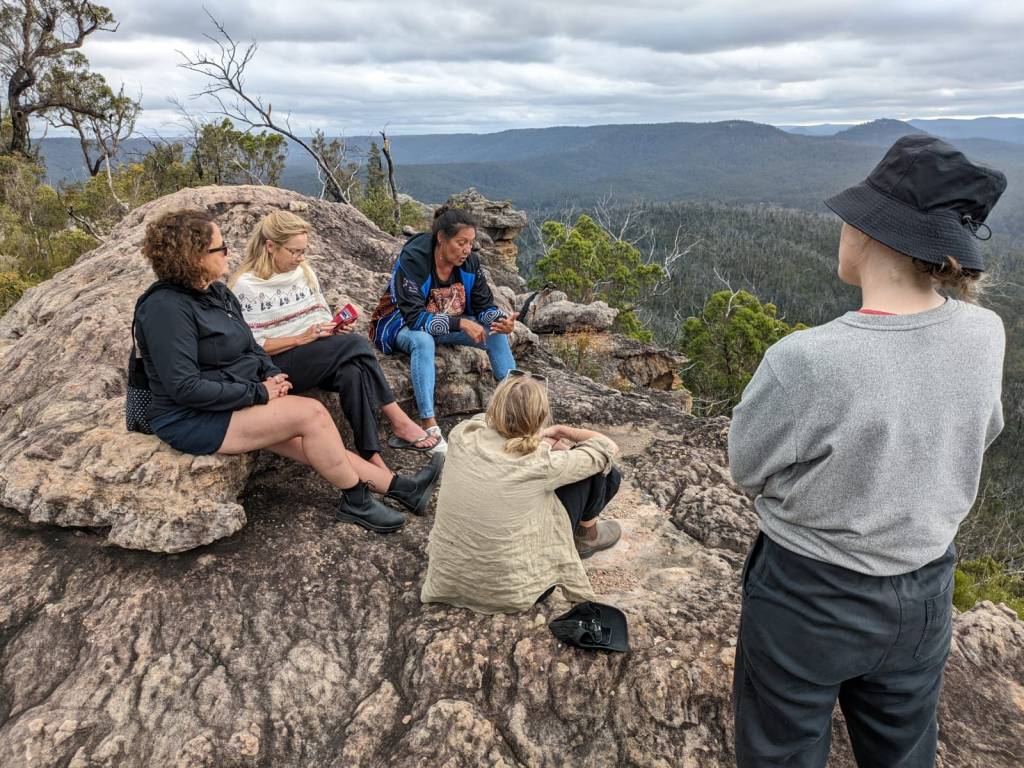
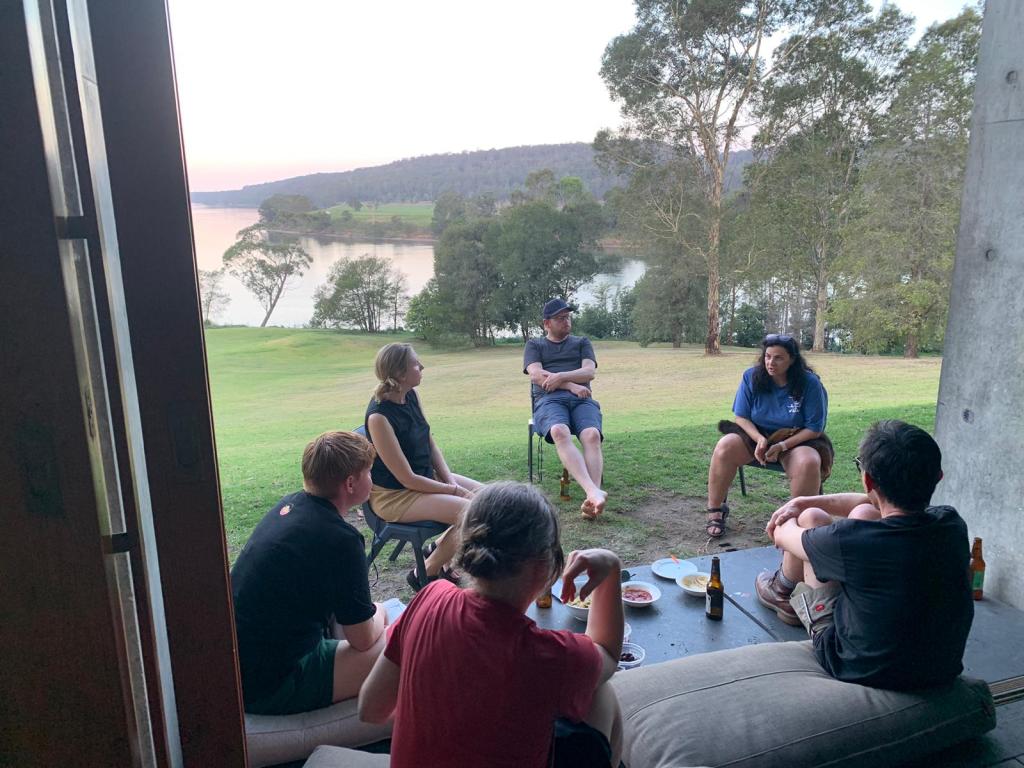
The program occurs at two locations on Wurundjeri Country, and involves a week-long retreat at Garambi Baanj/Laughing Waters 5-11 December 2024, with a one day public program of sharing, knowledge exchange and creative activations at Brunswick Mechanics Institute on 13 December 2024.
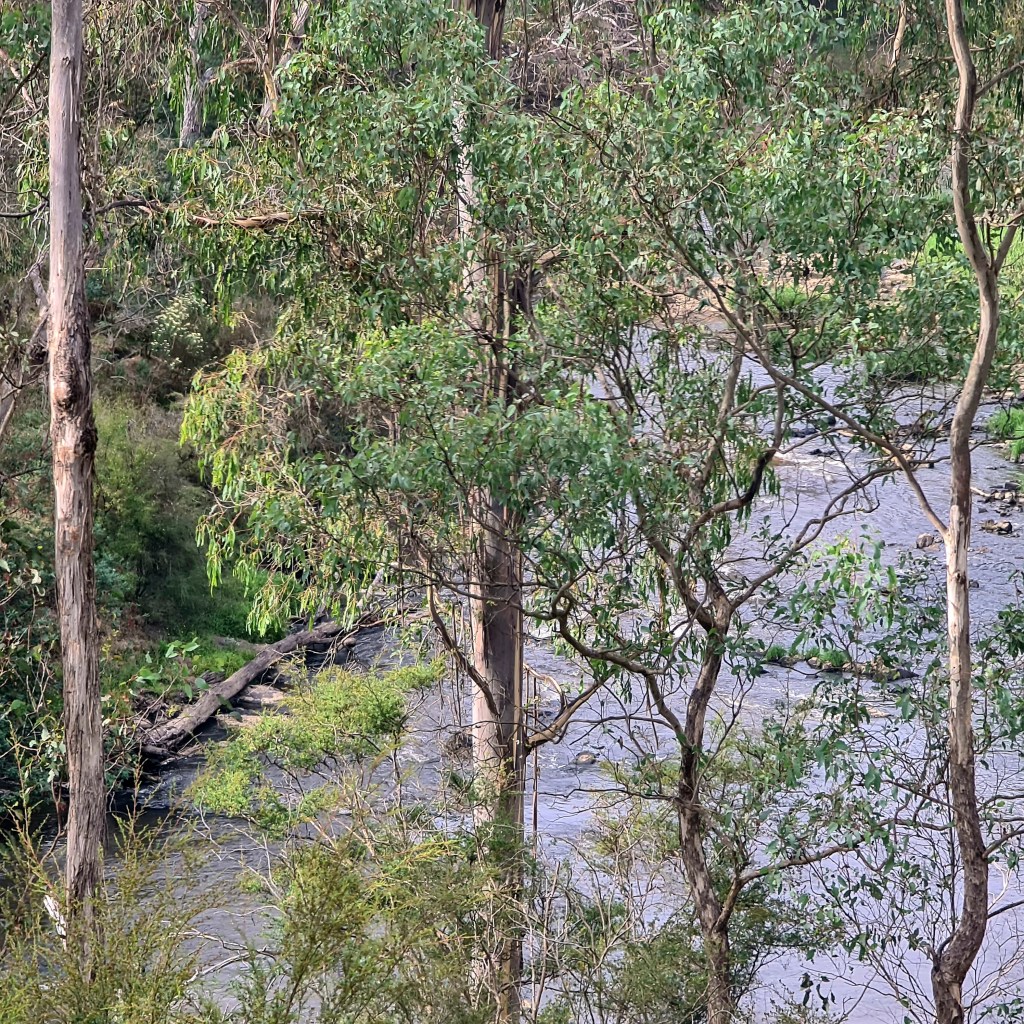
The retreat at Garambi Baanj is beautifully positioned in bush on Wurundjeri Country by the Yarra River near to Eltham, just 40 mins drive from RMIT city campus. The site has enormous cultural value to the Wurundjeri, including an iuk (eel) trap, and Wurundjeri manage the site in partnership with InPlace. You can read more about the history and partnership here: https://inplace.org.au/laughing-waters/.
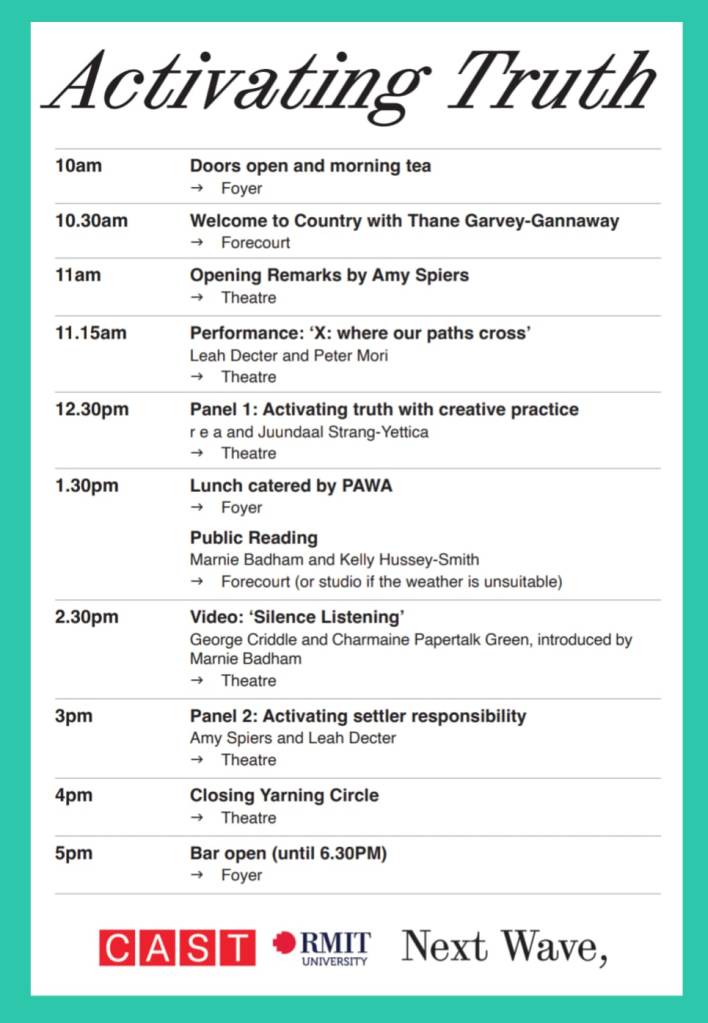
Brunswick Mechanics Institute is based in the inner northern suburb of Brunswick in Naarm/Melbourne. It is managed by arts organisation Next Wave, and they have kindly offered the space, producing and technical assistance for free for us to hold our public program. Participation in the public program is optional, but it is an opportunity to share the learning and knowledge exchange we have deepened at the retreat with a wider public: https://nextwave.org.au/about/accessibility/visiting-brunswick-mechanics.
Background to the program
Victoria’s formal truth-telling inquiry is currently underway with the First Peoples-led Yoorrook Justice Commission taking submissions and holding hearings about the historic and ongoing injustices committed against First Peoples since the arrival of colonisers in Victoria. Yoorrook aims to establish an official record of the injustices experienced, recommend processes of healing and redress, as well as foster a shared understanding of the impact of colonisation on First Peoples among all Victorians. The burden of truth-telling, however, has been largely left to First Peoples in this process, and it remains to be seen if Victorian settler communities and government will listen to and generate action based on the testimonies shared. We know that related commissions including the Bringing Them Home Report (1997) and Royal Commission into Aboriginal Deaths in Custody (1991) have often resulted in insufficient action. Activating Truth emerges in this context, raising timely questions concerning how First Peoples and settlers invested in the recognition and redress of colonial crimes can draw on interdisciplinary, creative practices to work together to ensure that the true history of Victoria and Australia is shared and heard in ways that activates lasting understanding, transformation and justice.
The program is funded by RMIT University’s Strategic Impact Fund and Amy Spiers’ Vice Chancellor’s Postdoctoral Fellowship Research Fund. Additional support is provided by the School of Art’s Contemporary Art and Social Transformation (CAST) research group.
Jodi Edwards. A proud Yuin woman with Dharawal kinship ties, and VC Senior Indigenous Research Fellow with the Australian National Centre for Ocean Resources and Security (ANCORS), University of Wollongong, Jodi has dedicated her life to Community, Culture, education and Language.
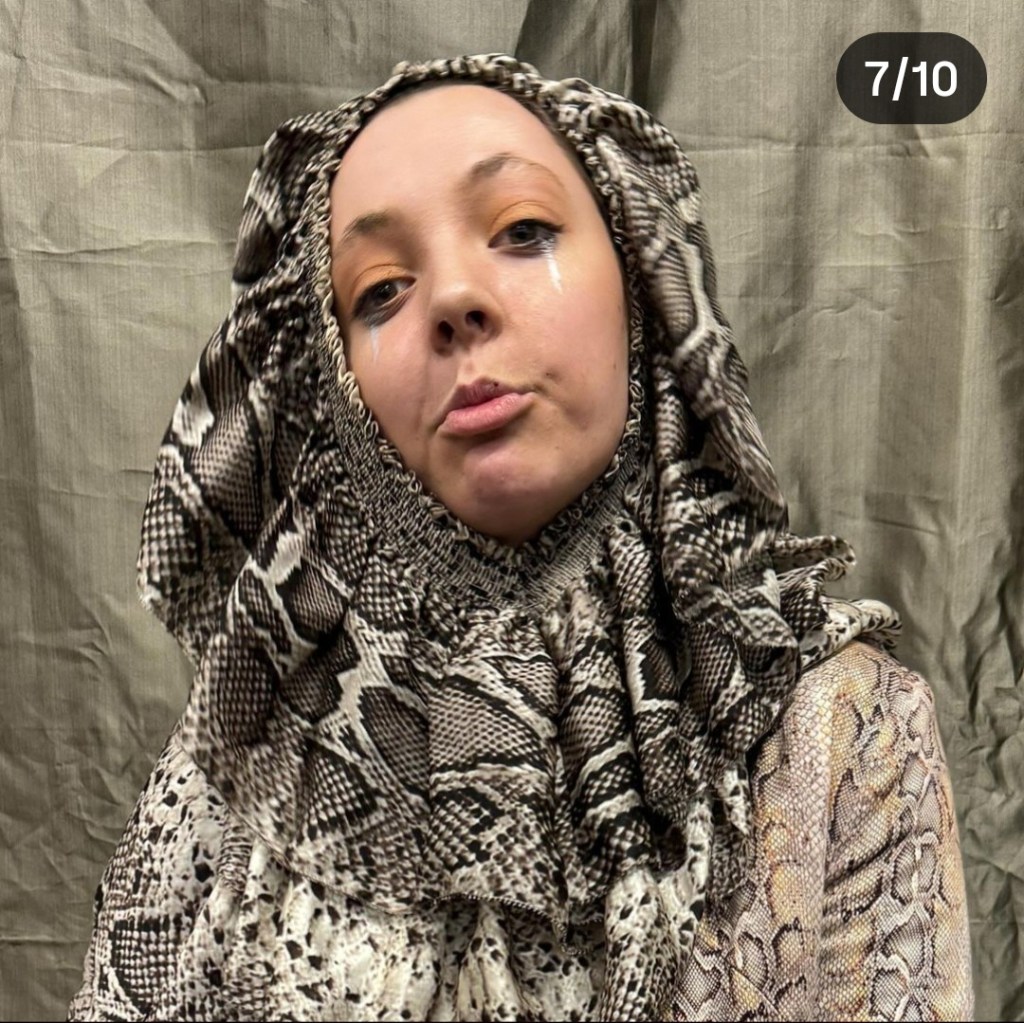
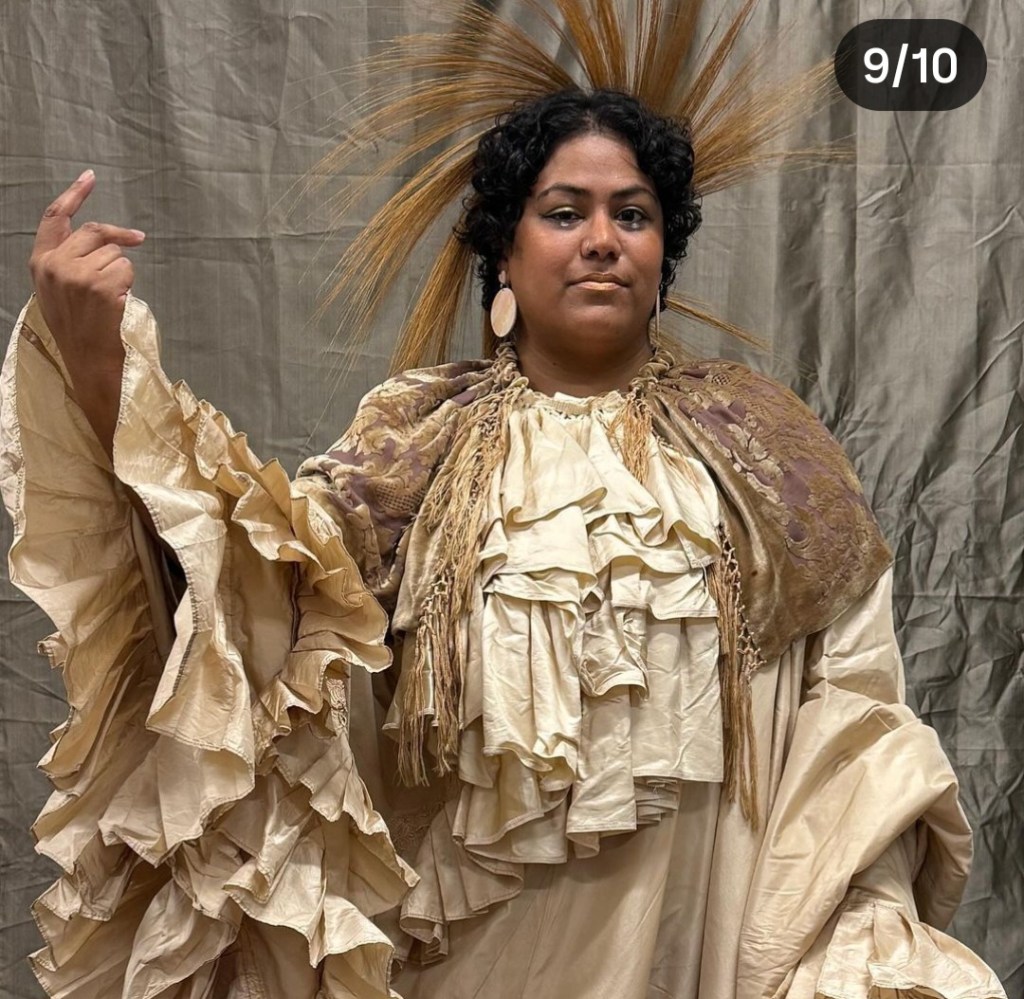
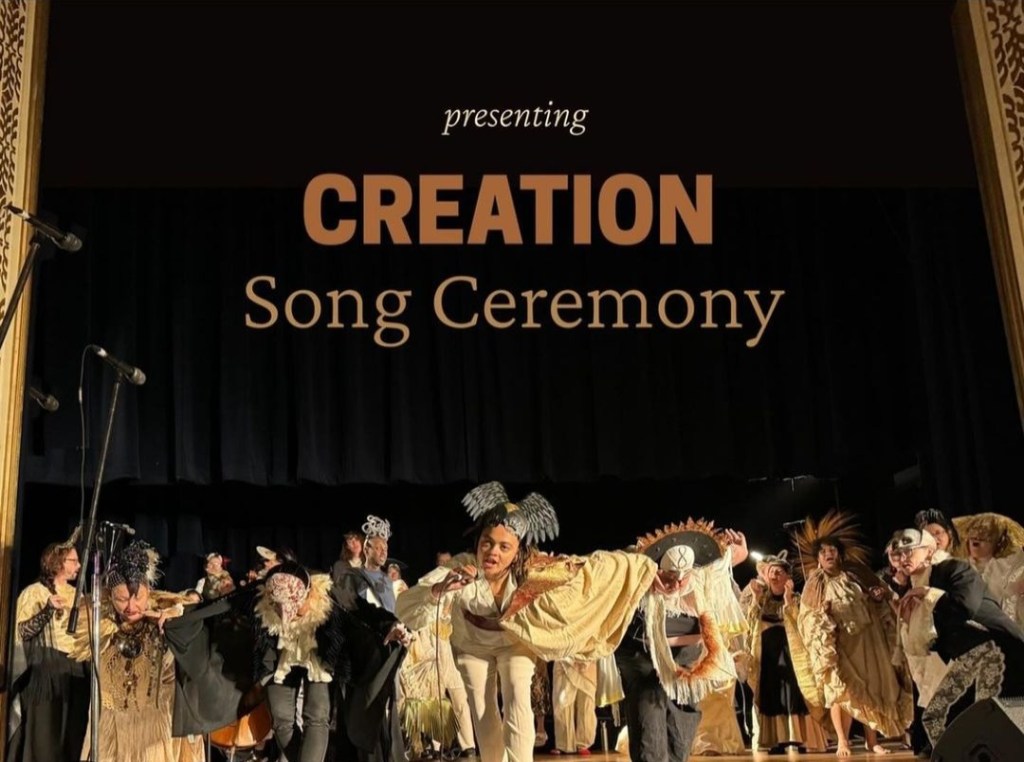
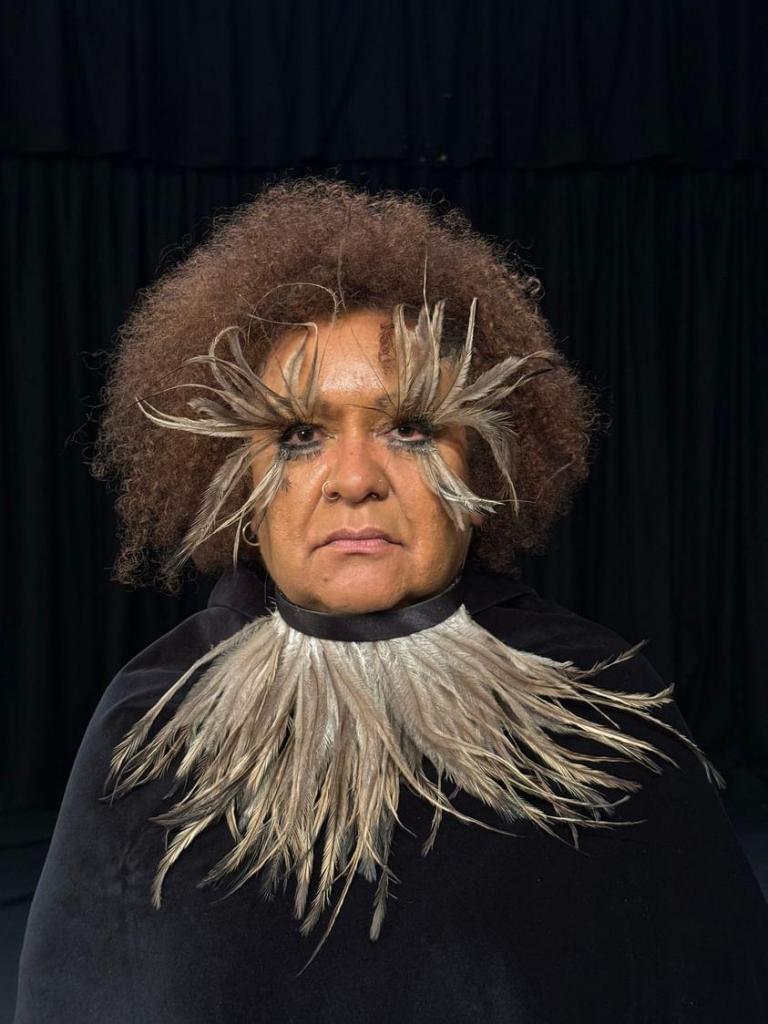
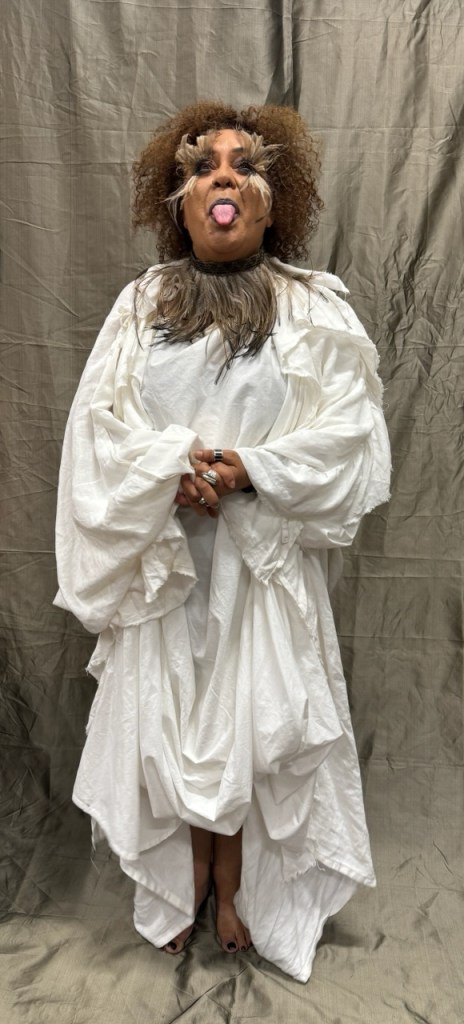
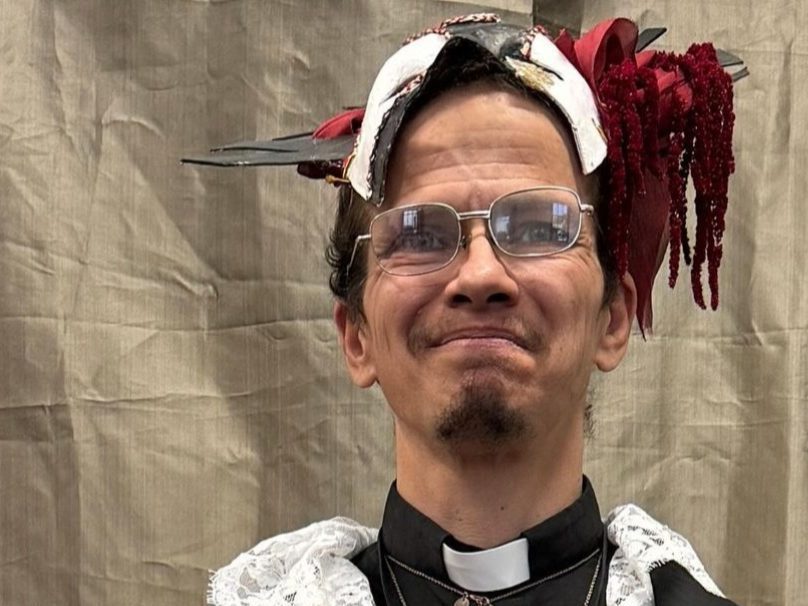
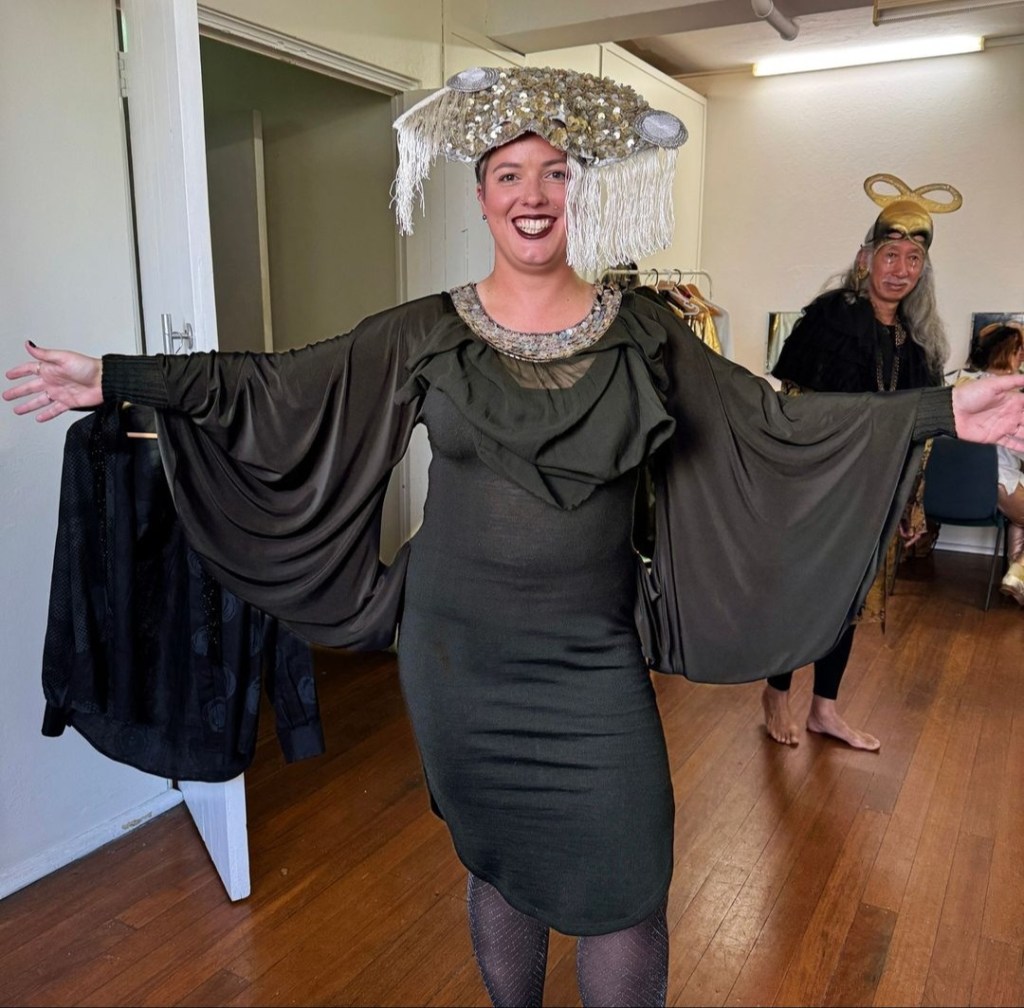
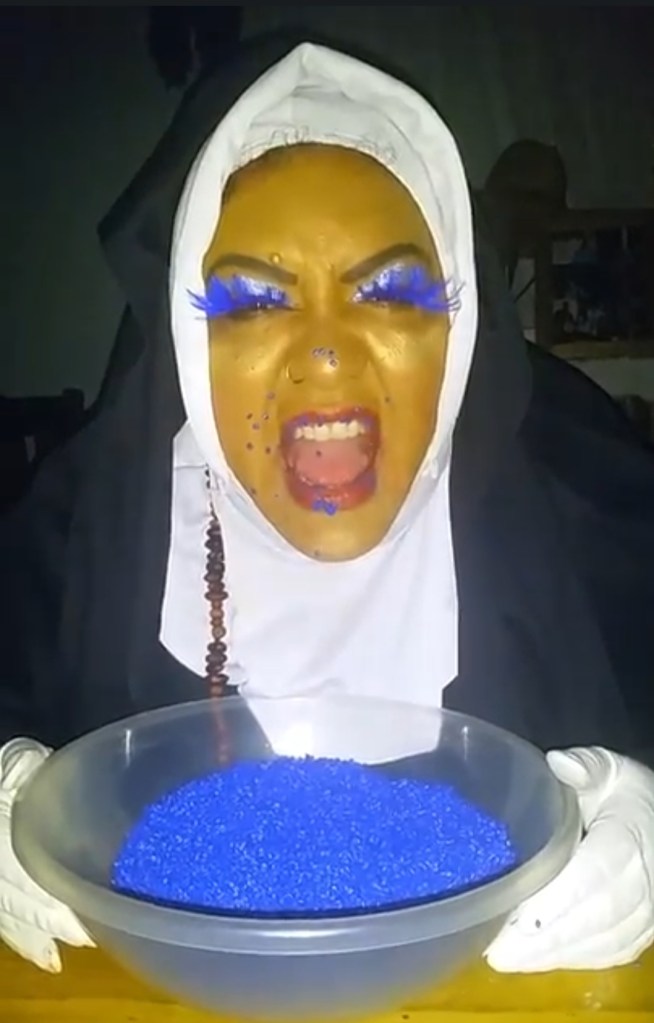
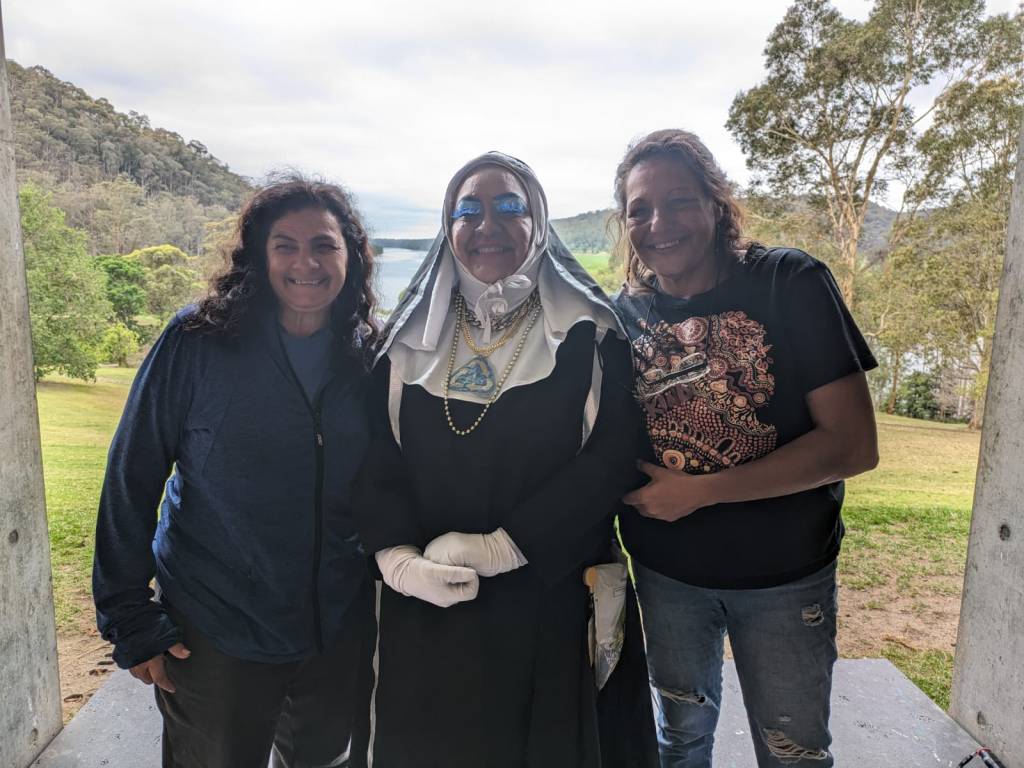
Juundaal Strang-Yettica. Bundjalung and Kannakan contemporary artist, who sometimes performs as Sister GlitterNullius X, ‘a nun, imprisoned by her love-hate relationship with plastix and all things, consumerist, capitalist, catholic and post-colonial’.
Amy Spiers. Settler artist and researcher based at RMIT School of Art examining non-Indigenous artists’ engagements with truth-telling the Australian settler nation through creative practice.
Leah Decter. Settler artist and researcher based at Nova Scotia College of Art and Design (Halifax, Canada) researching critical white settler and decolonial creative practice in the Turtle Island/Canadian context.
Marnie Badham. Based at RMIT University, School of Art (Canadian settler heritage), Marnie’s research sits at the intersection of socially-engaged art practices, participatory methodologies and the politics of cultural measurement.
Polly Stanton. A settler artist working across sound, video and installation and investigates the relations between environment, human actions, and land use. Based at RMIT University, School of Media and Communication.
Paul Mylecharane (aka Milo). A settler graphic designer and web developer specialising in on and offline publishing, including Common Room Editions, a radical imprint that publishes alternative, marginalised narratives and social histories.
Alan Hill. A settler photographer and art-researcher based at RMIT University, School of Art, who focuses on the socially transformative potential of documentary and socially-engaged lens-based practices and education.
Kelly Hussey-Smith. Also based at RMIT University, School of Art, Kelly is a creative researcher of settler descent focused on photography as a social practice, the politics of representation, and art education.
George Criddle. George is a settler artist, writer, and occasional curator based in Naarm/ Melbourne. They are currently collaborating on two projects in Jambinu, Geraldton, WA: an exhibition with Yamaji Elders, the late Dr Brian McKinnon and Charmaine Papertalk Green, titled Silence Listening; and co-producing a Naaguja style opera by singer songwriter Theona Councillor titled Murla-na Bula Wula Bulangul.
Stephen Loo. Based at UNSW, for more than 25 years Stephen has researched, taught and practiced in the transdisciplinary nexus of design, philosophy, art, performance and science.
Clare Land. Clare is an Anglo-identified non-Aboriginal person. She has a long-standing commitment to supporting land justice and Indigenous-led struggles and is known in particular for the book, Decolonizing Solidarity: Dilemmas and Directions for Supporters of Indigenous Struggles (Zed Books, 2015).
Juundaal & The Trees.
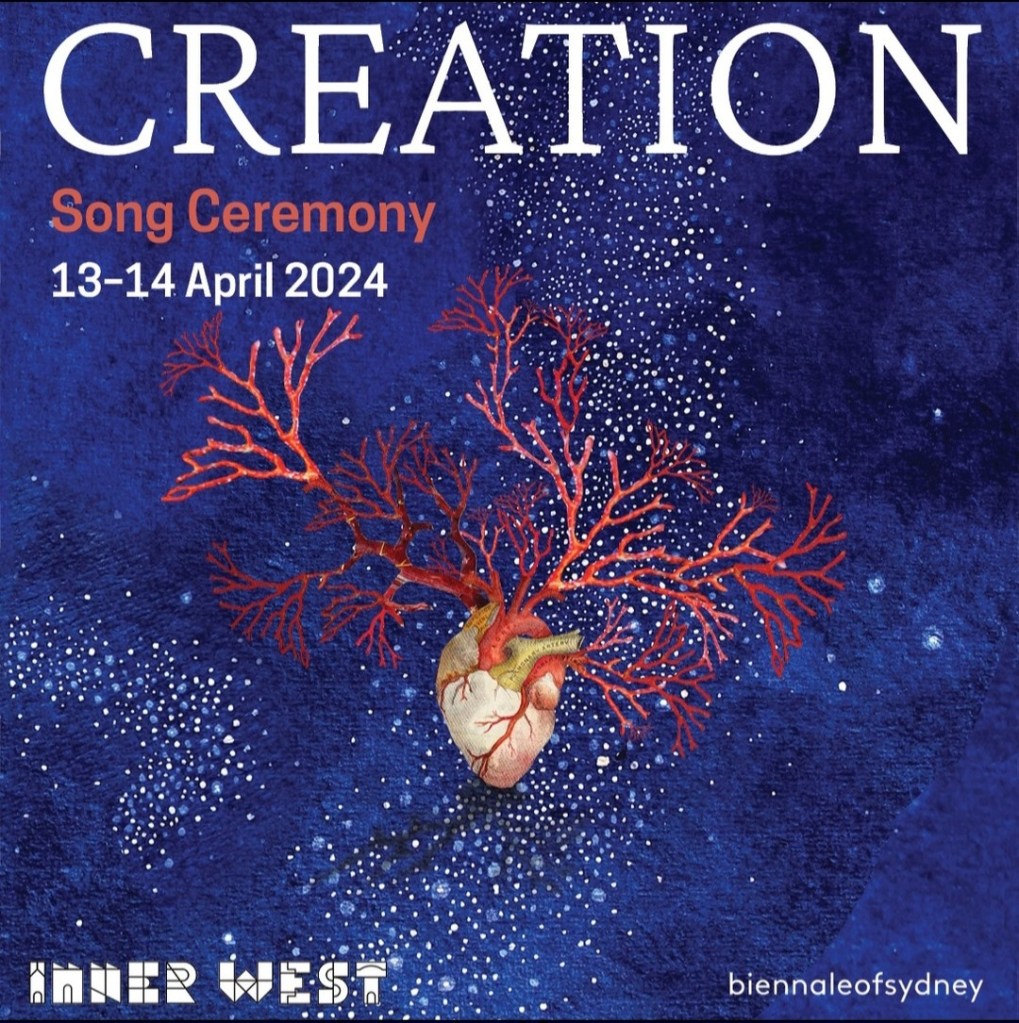
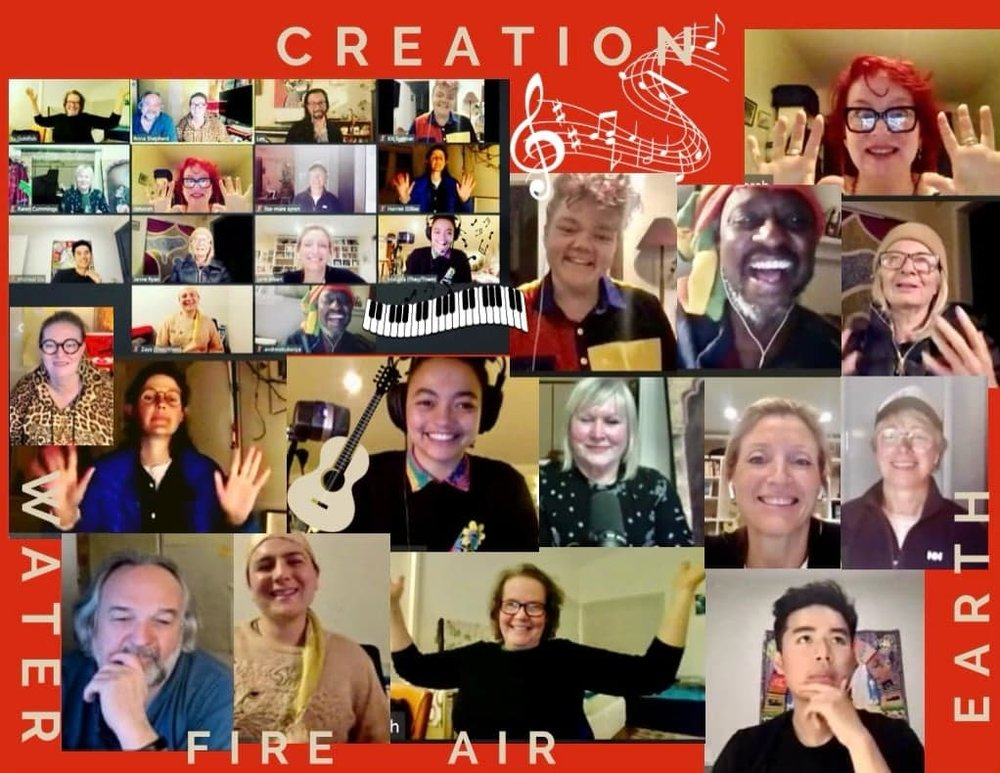
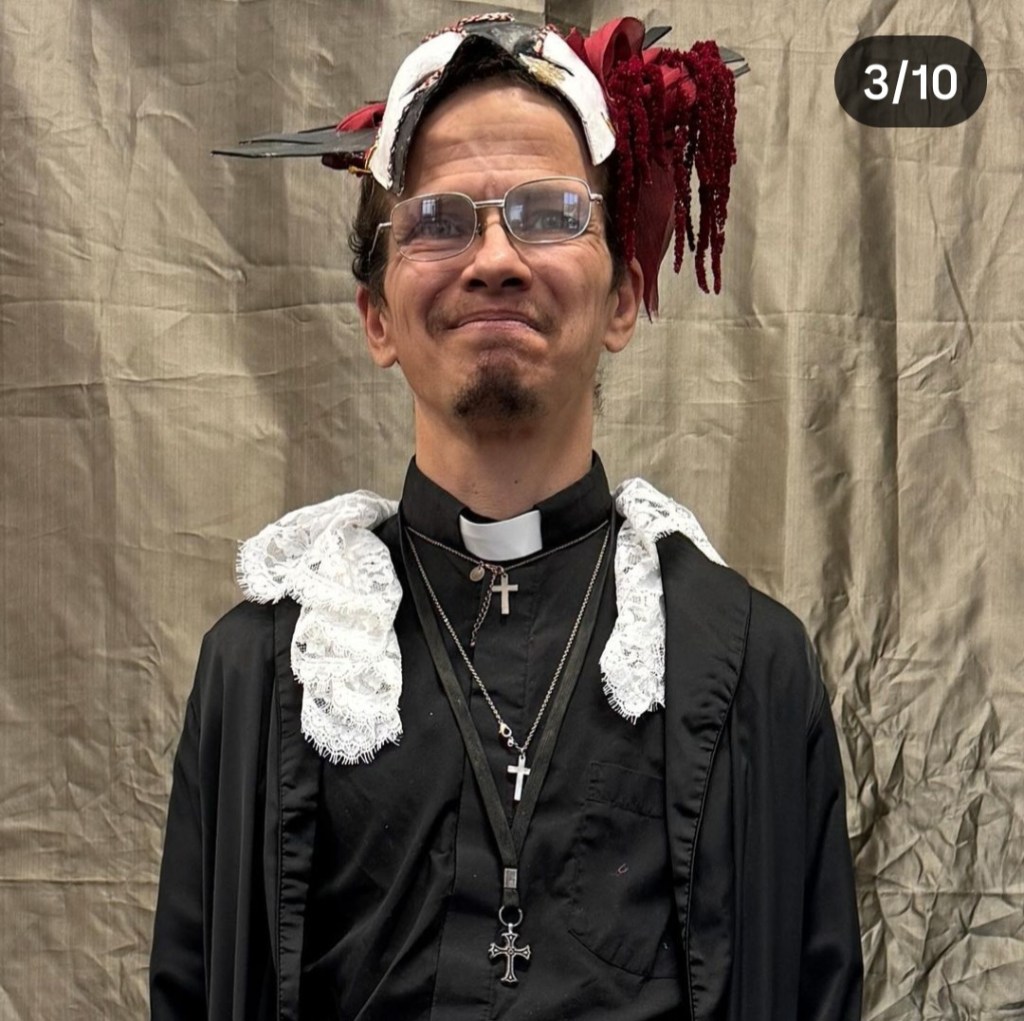
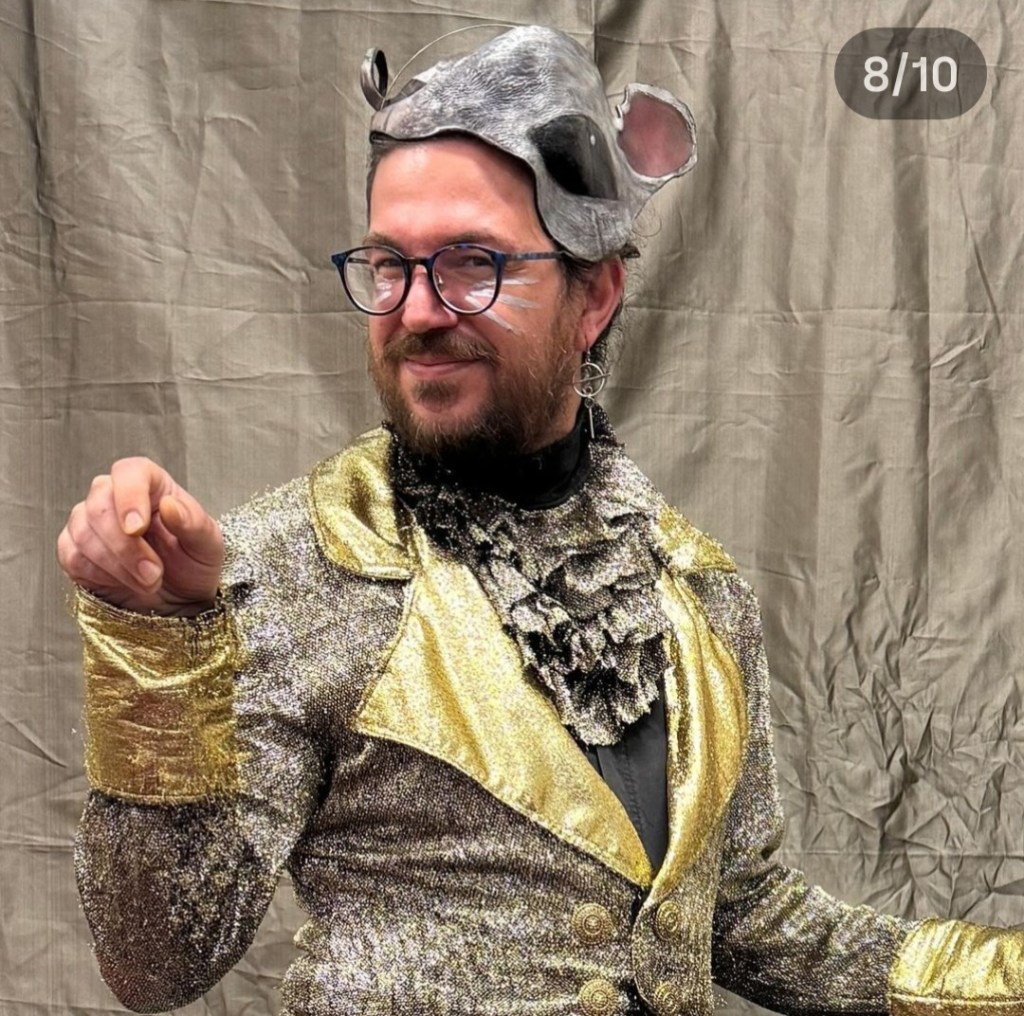
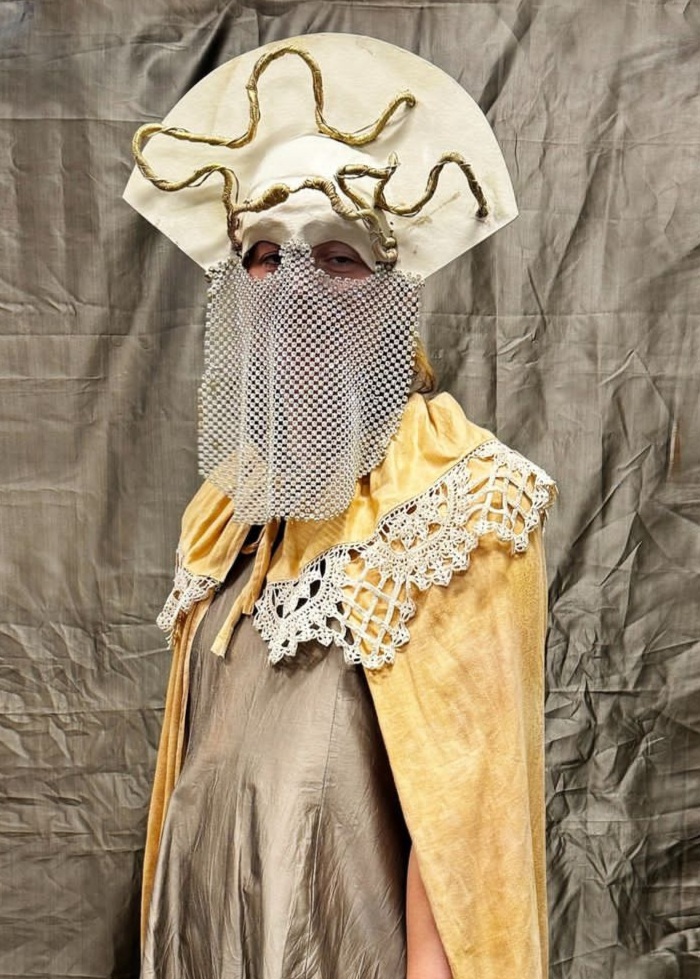
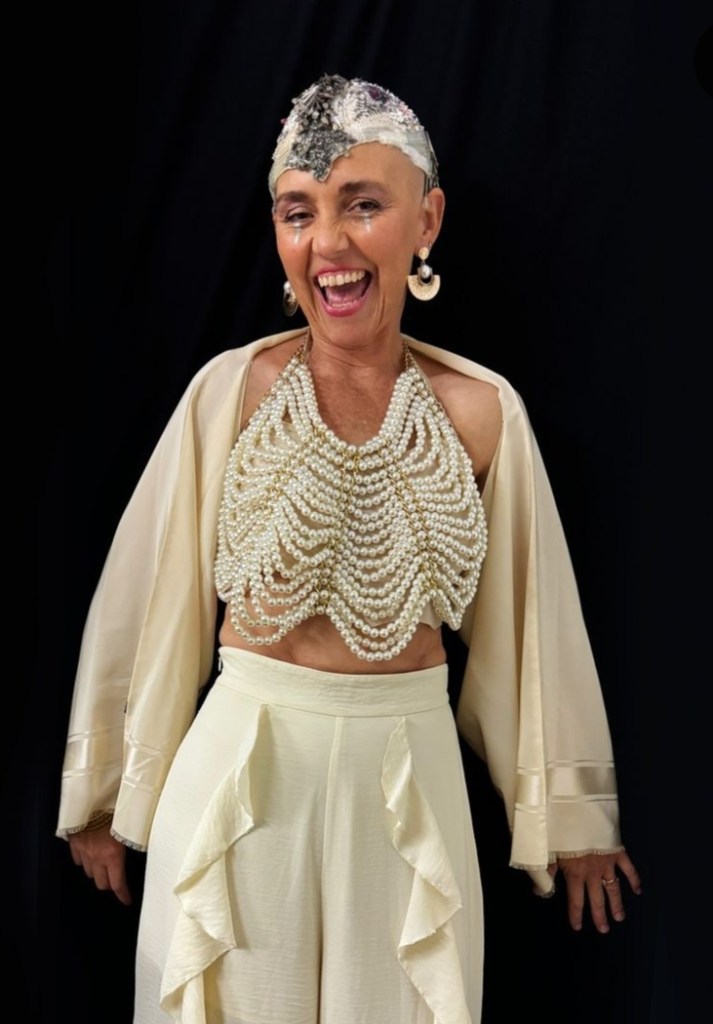
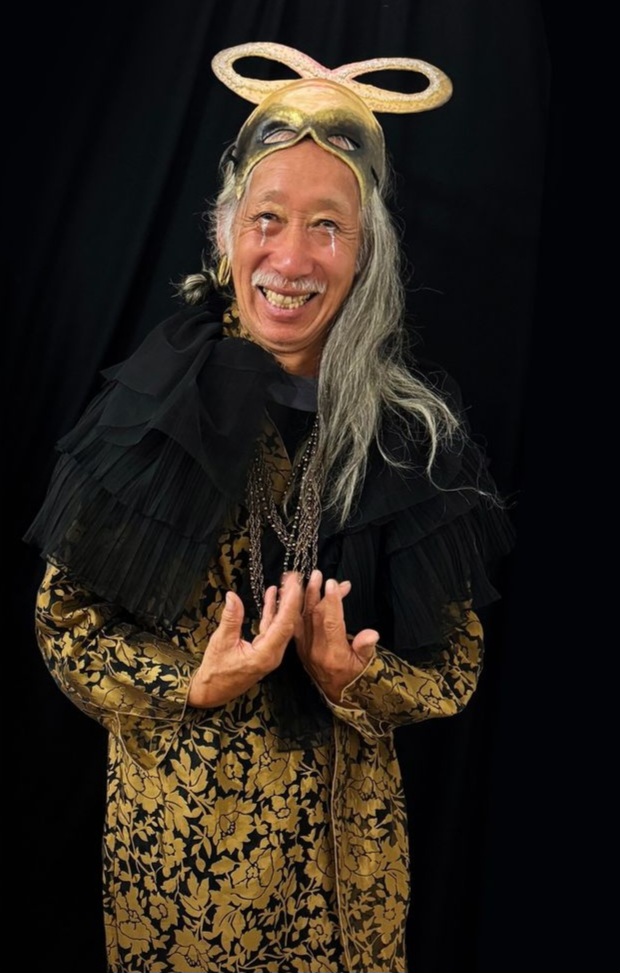
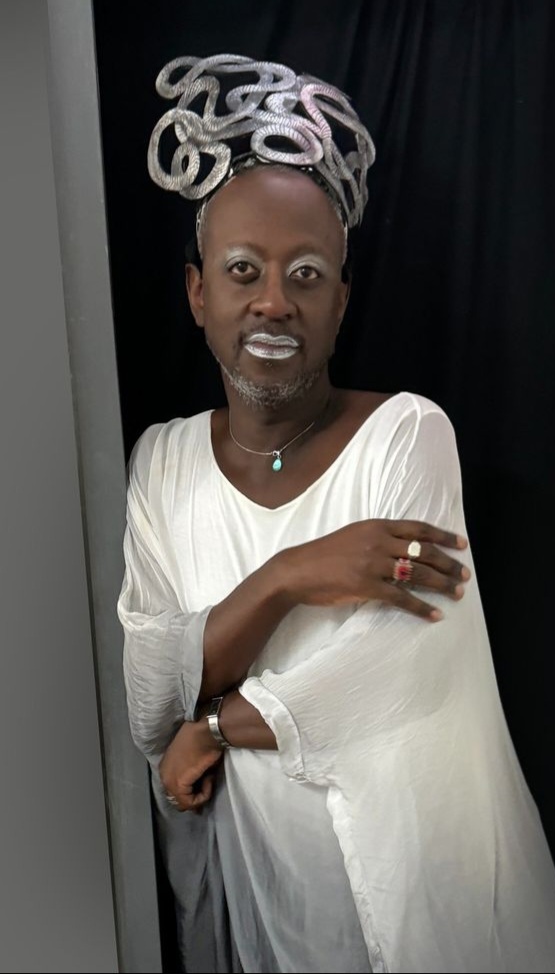
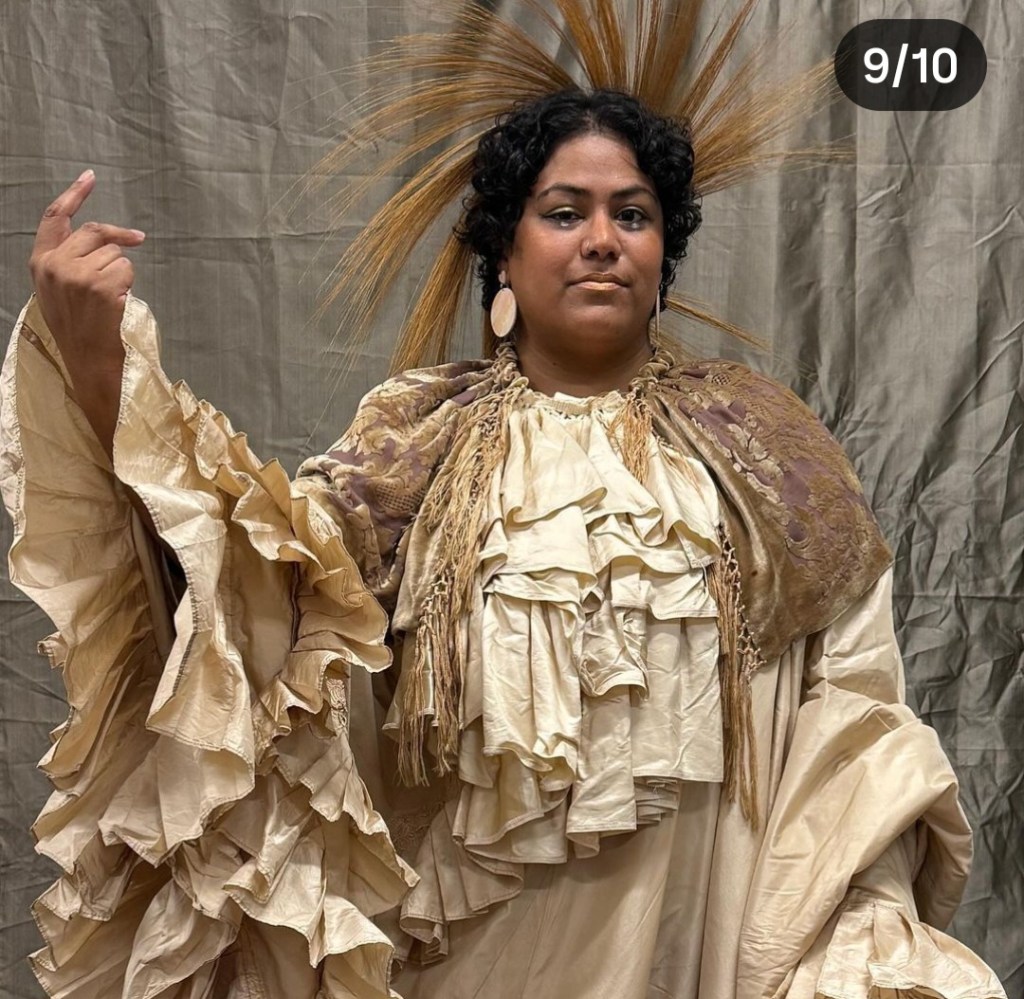
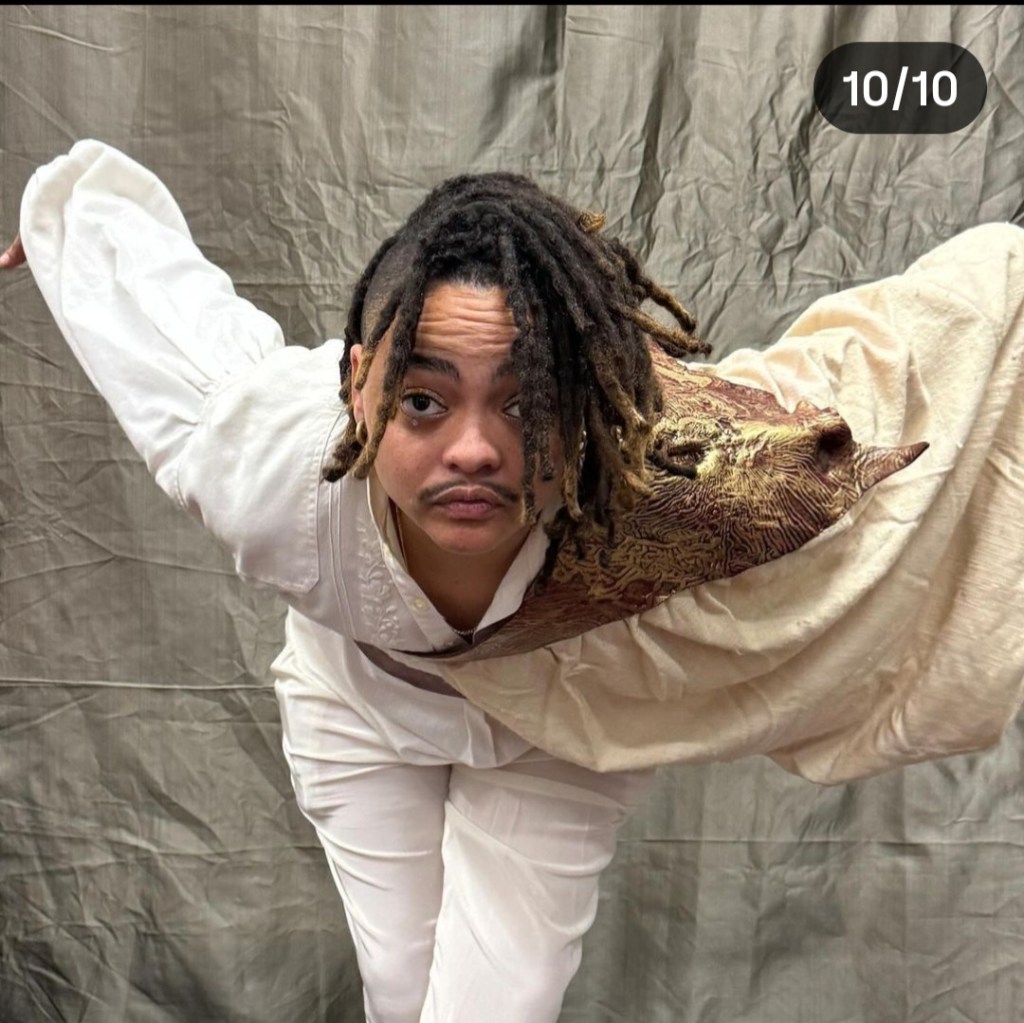
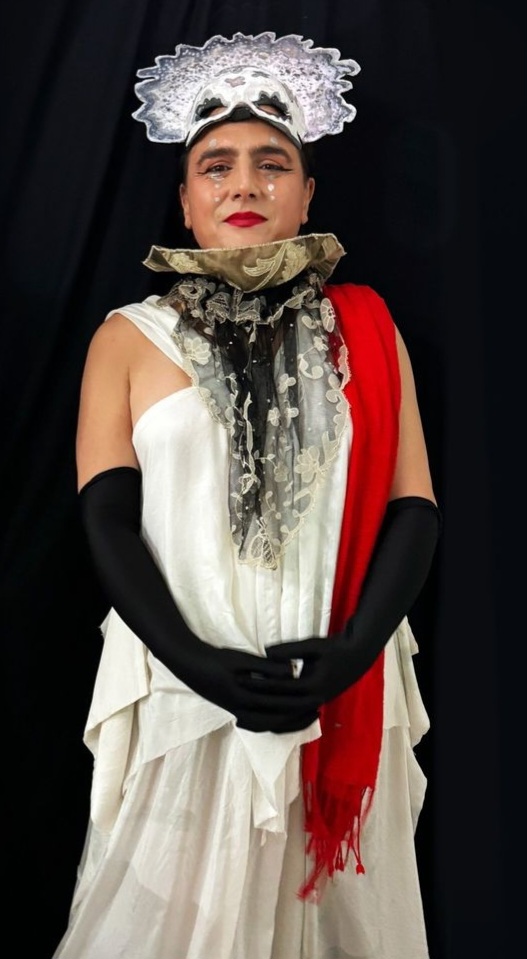
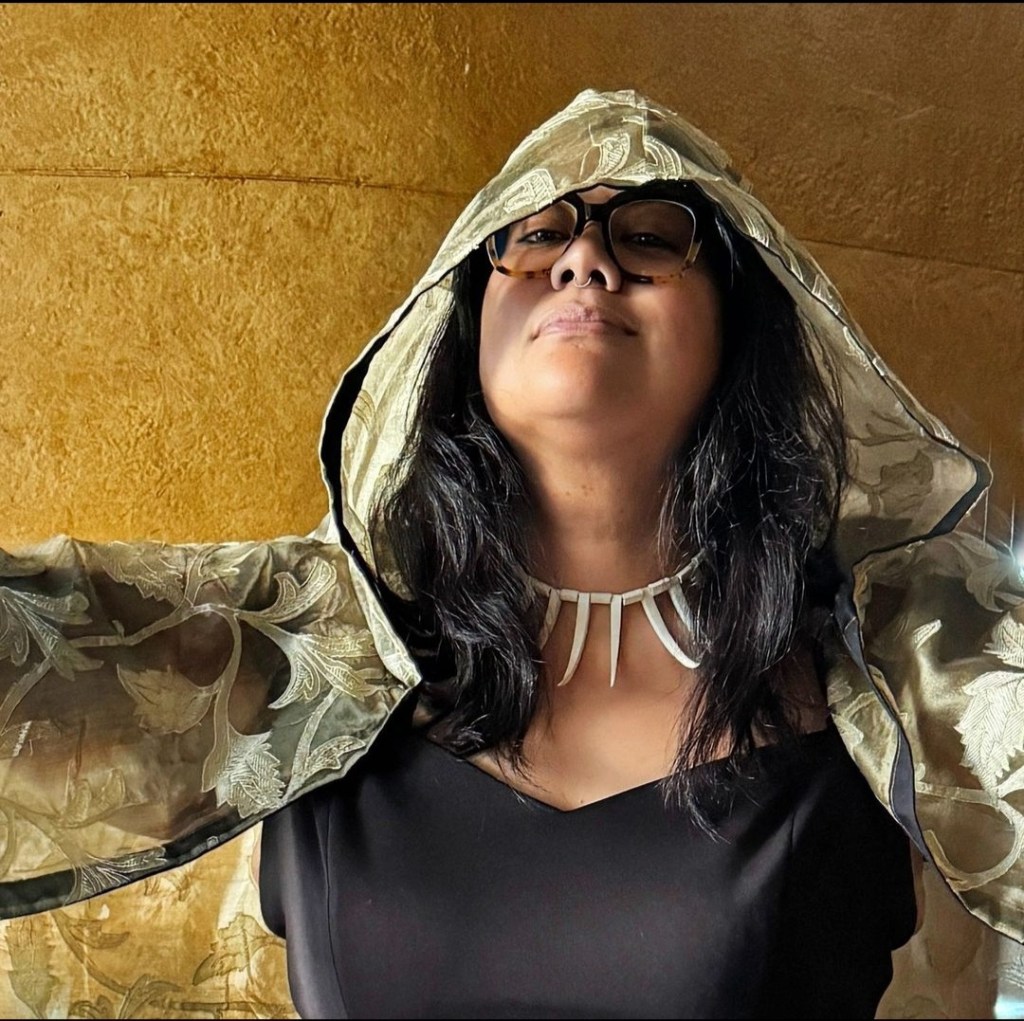
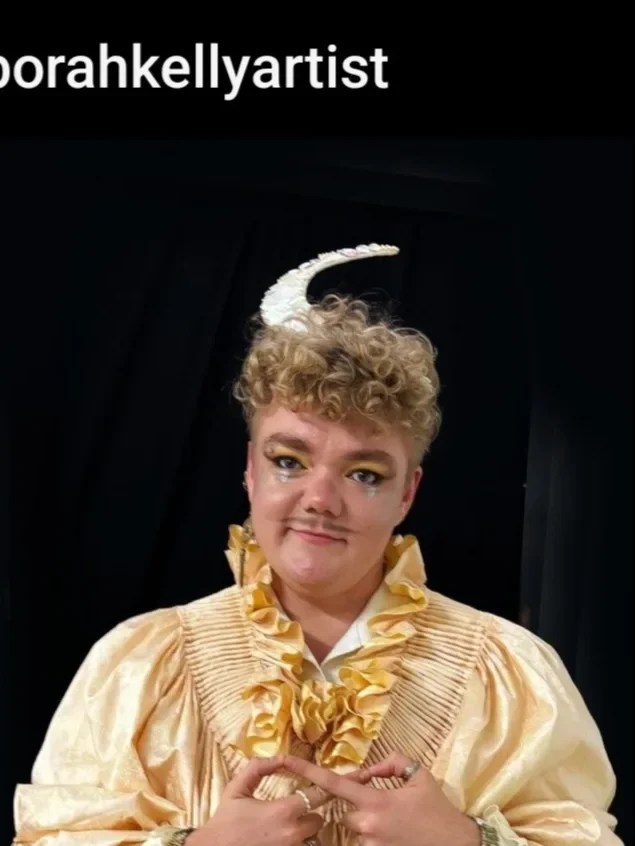

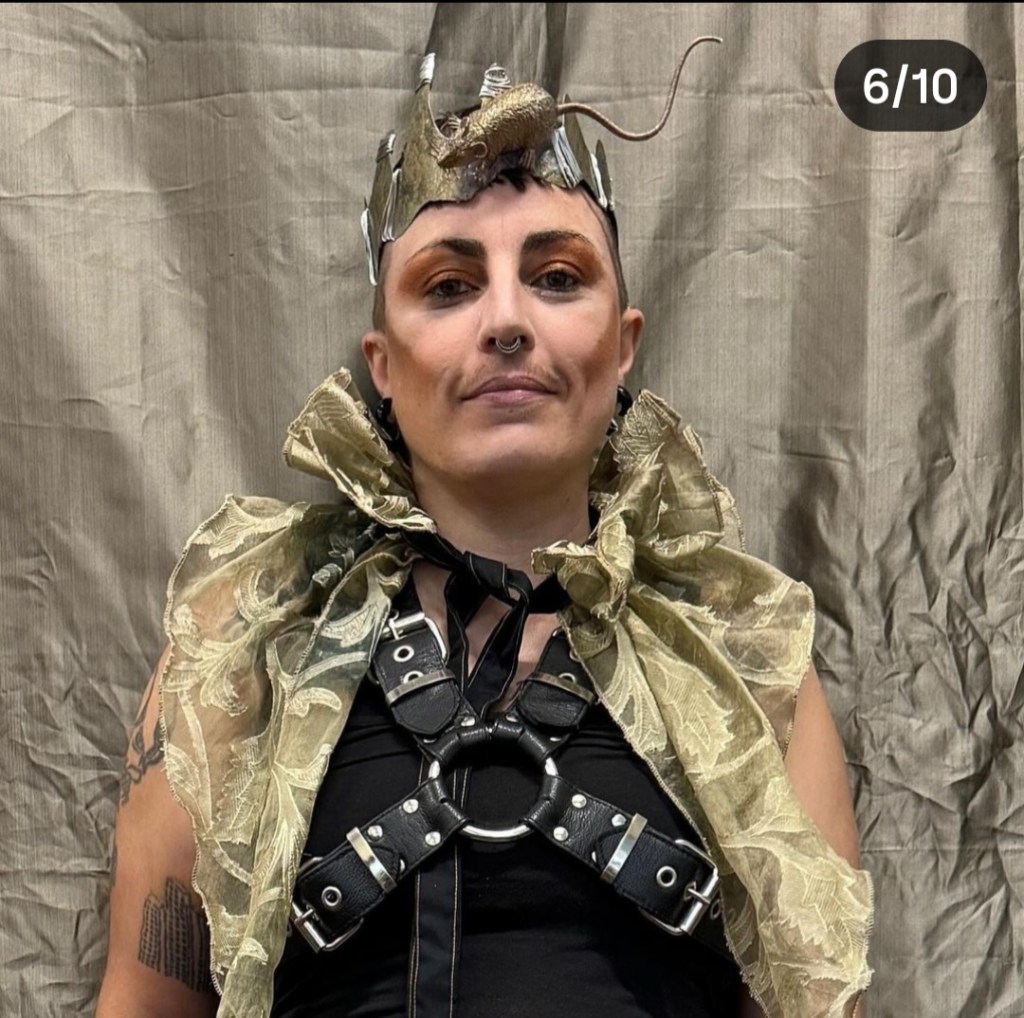

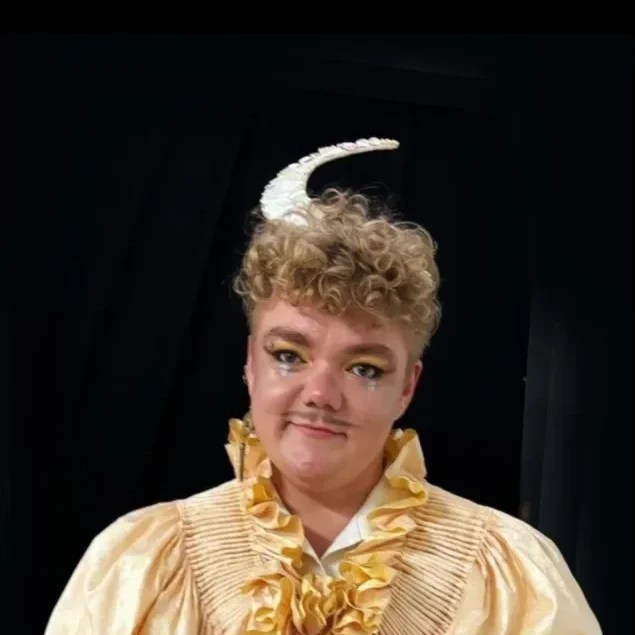
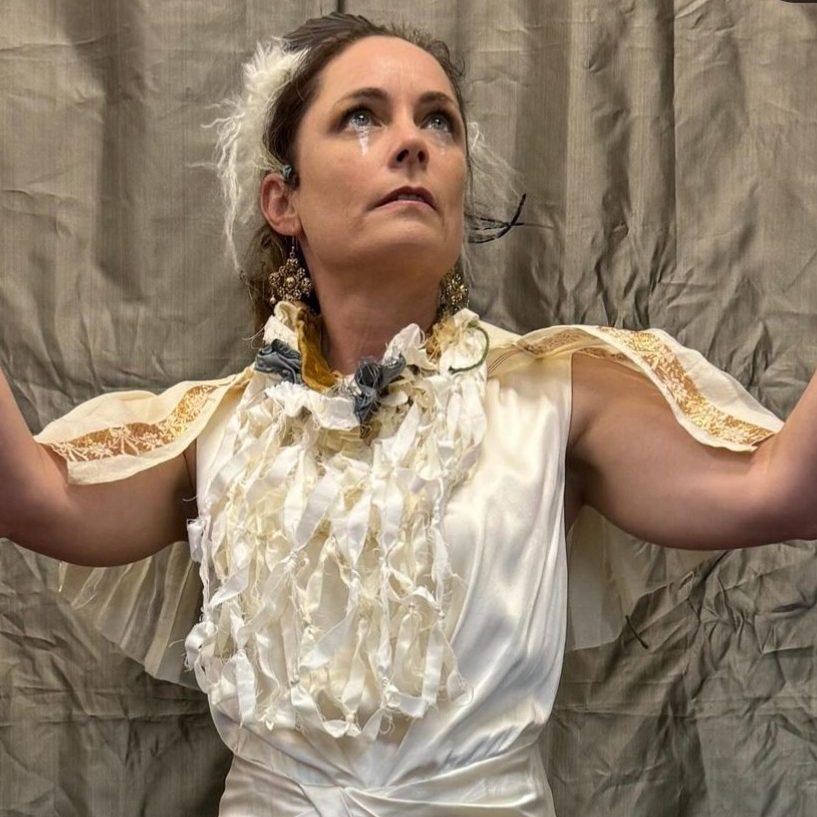
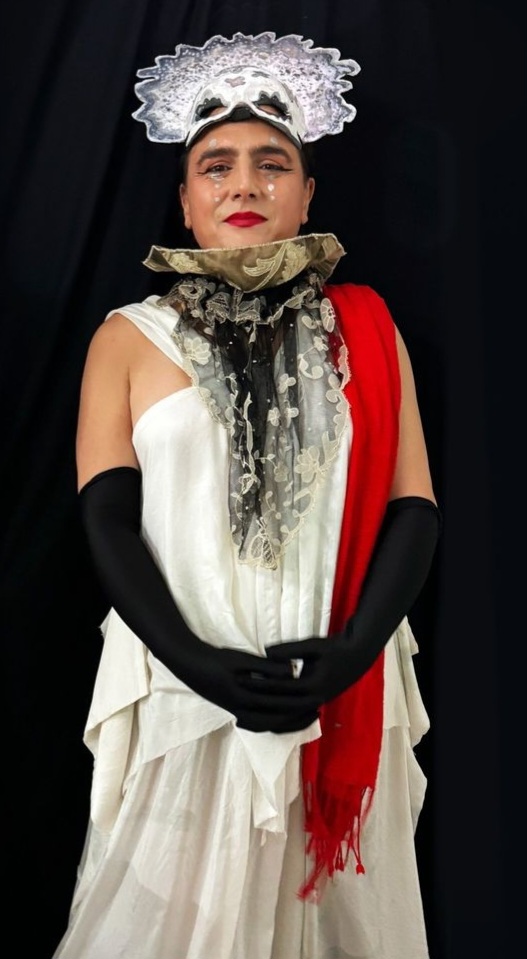
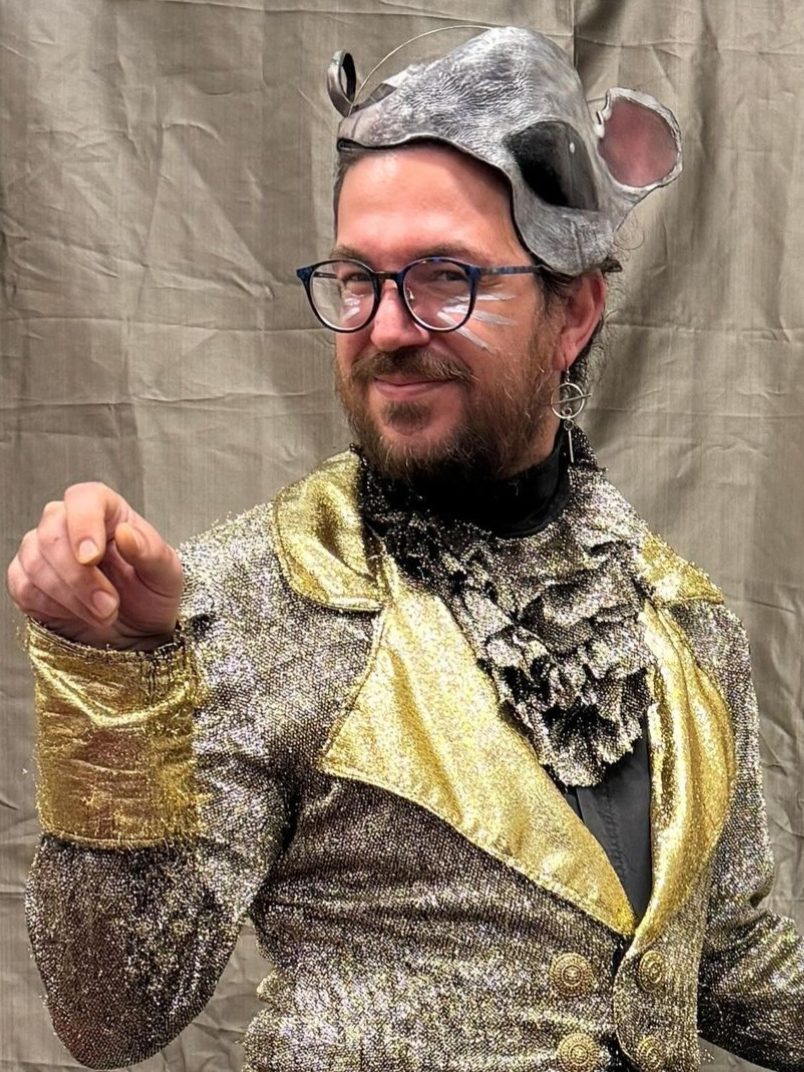
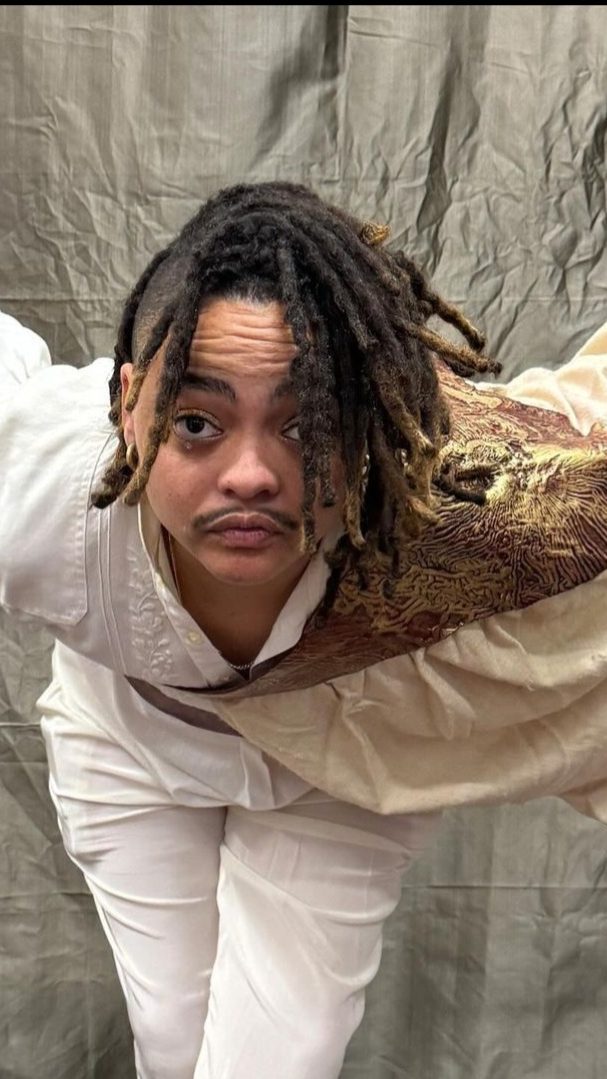
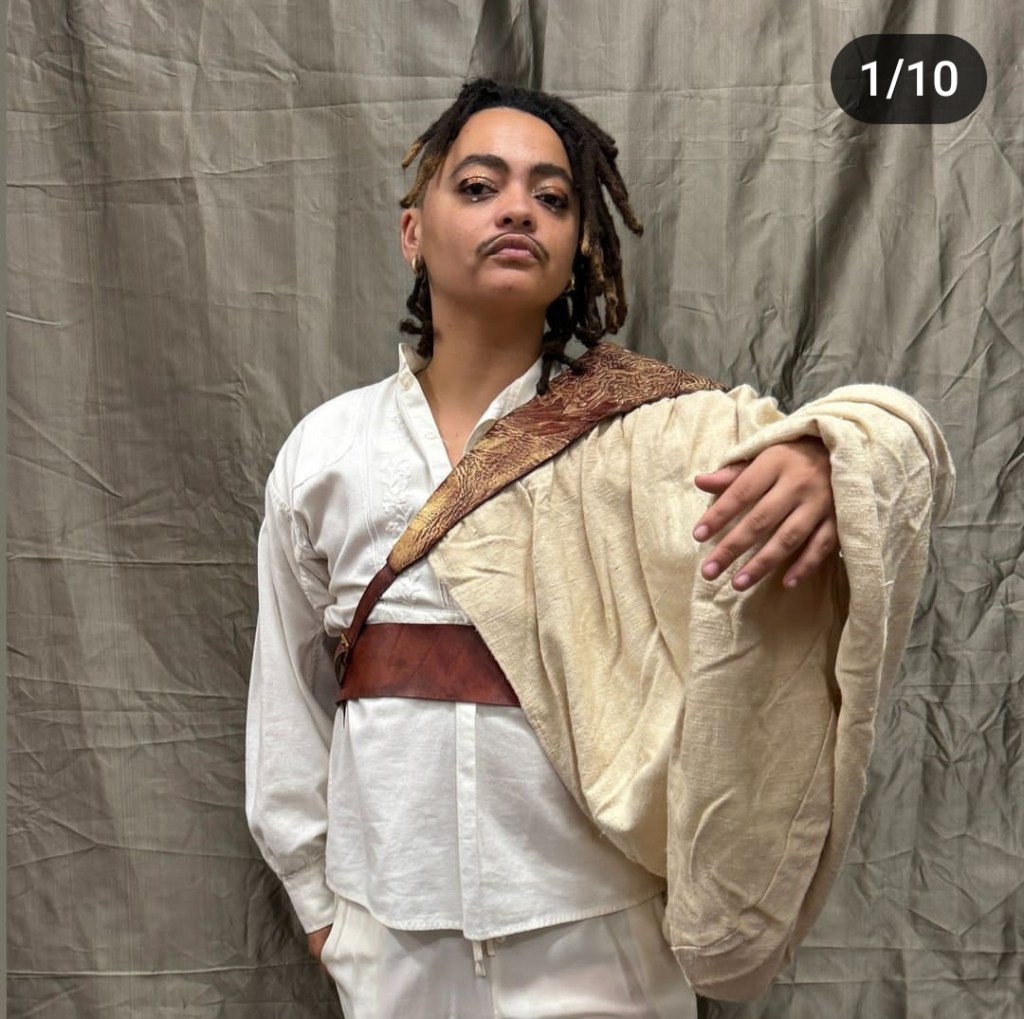
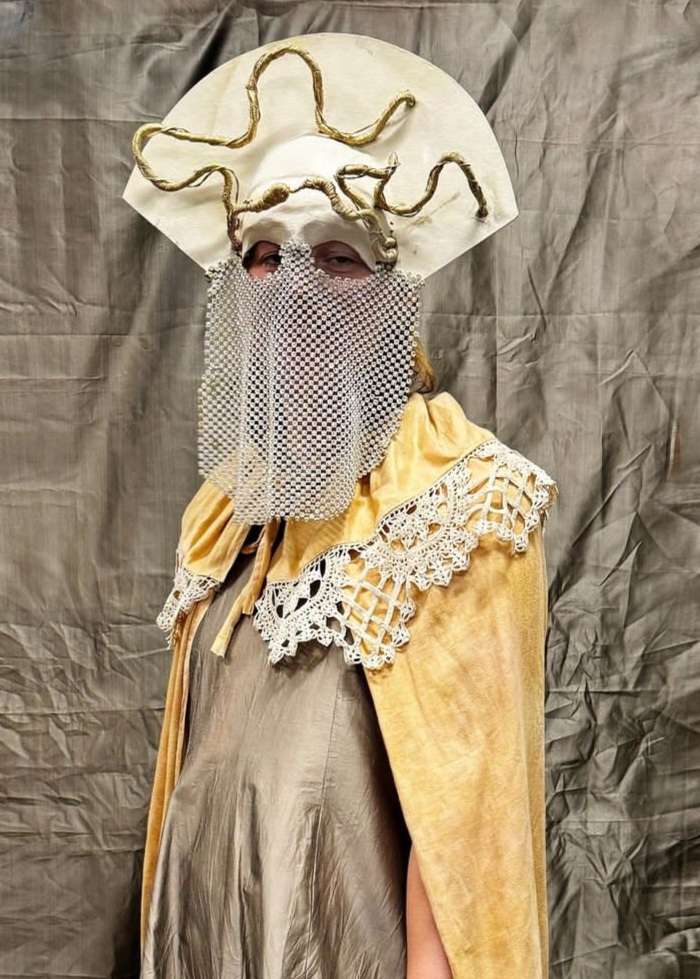
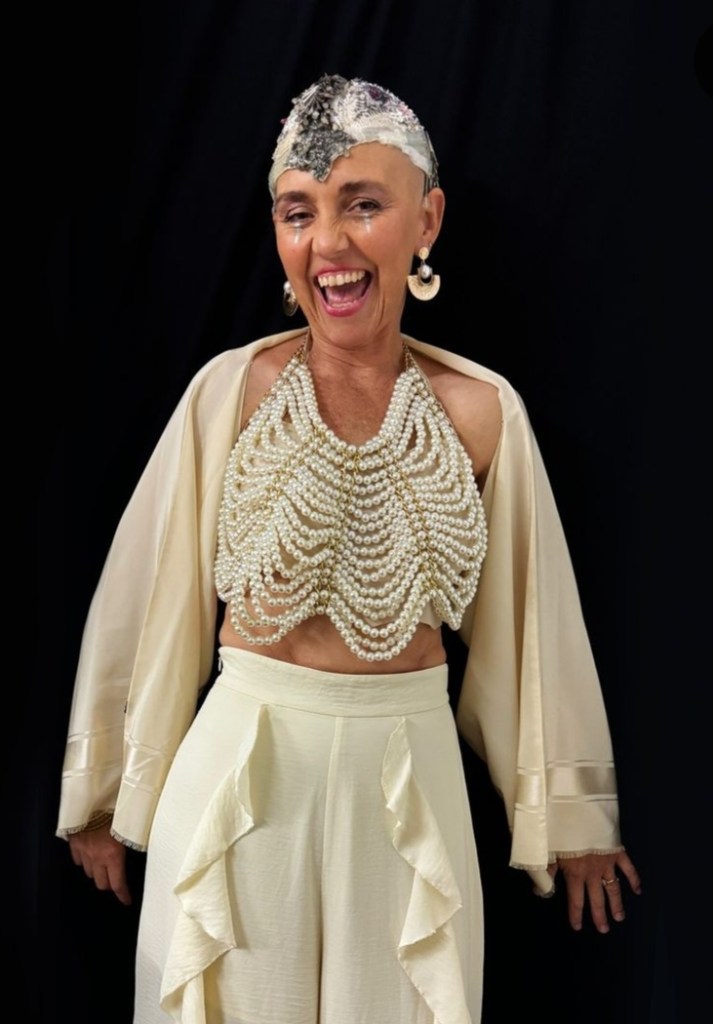
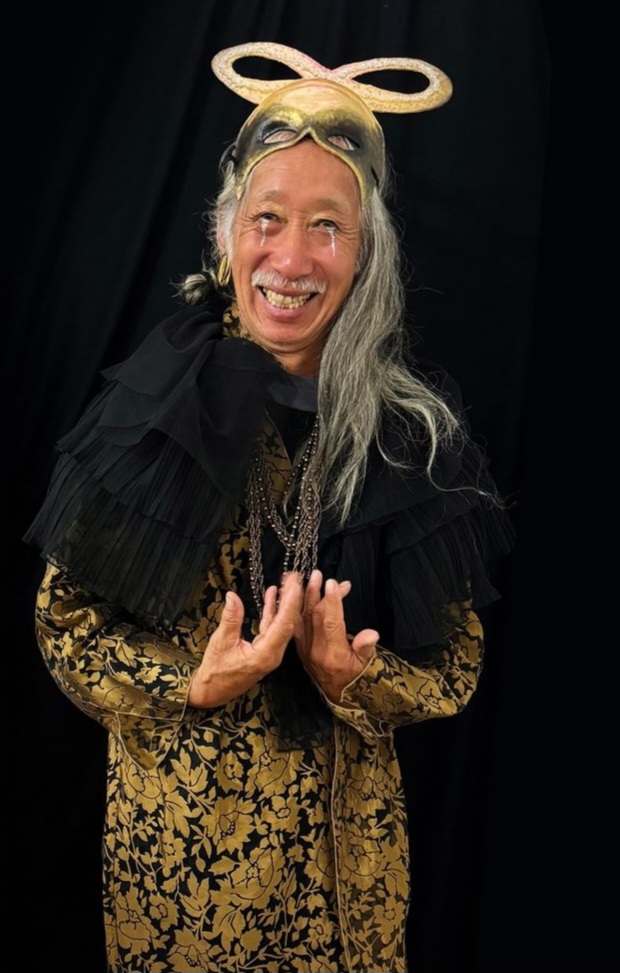
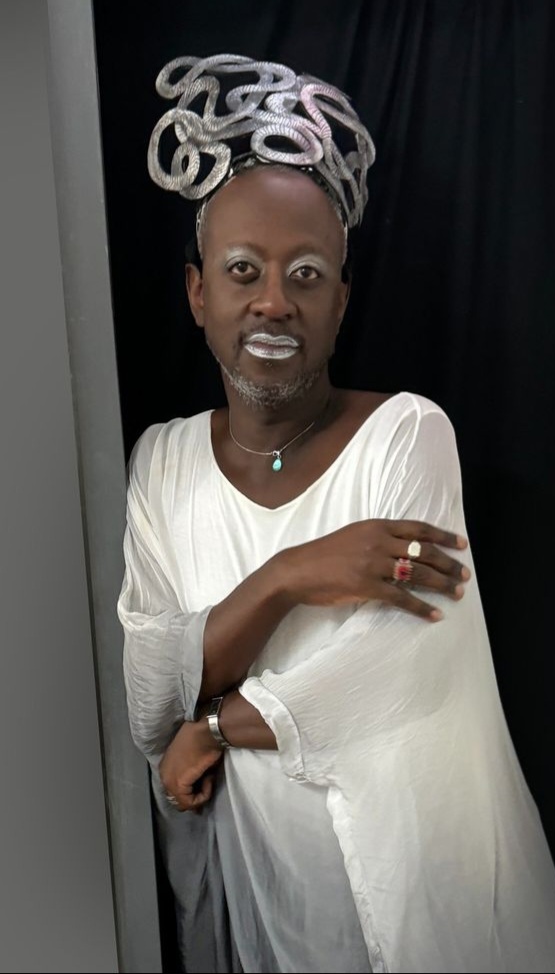
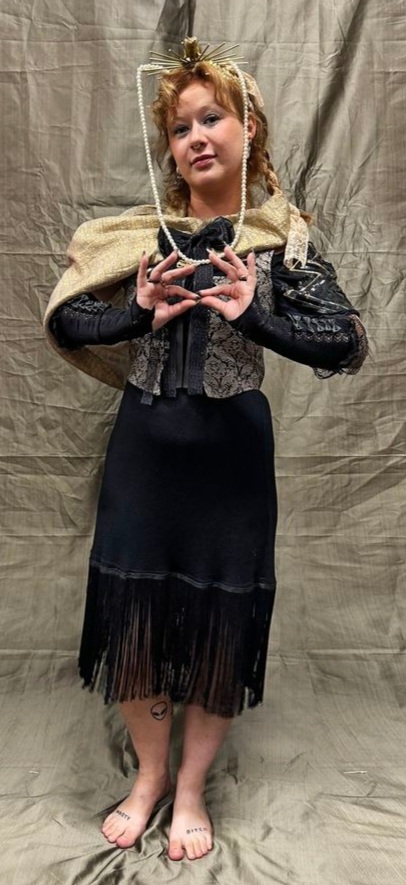
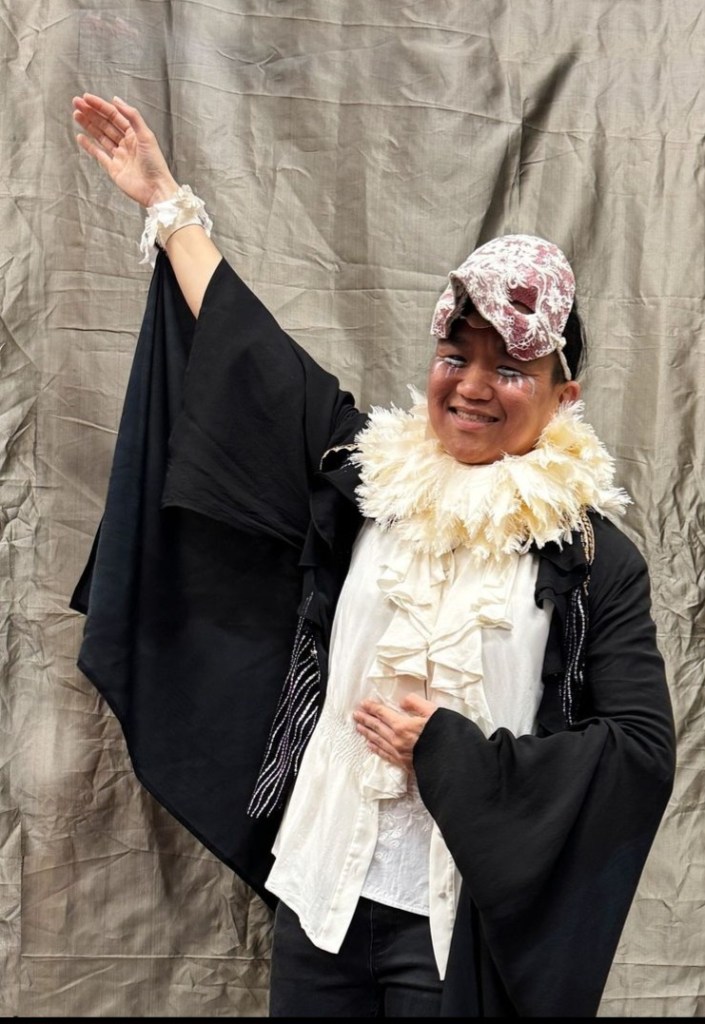
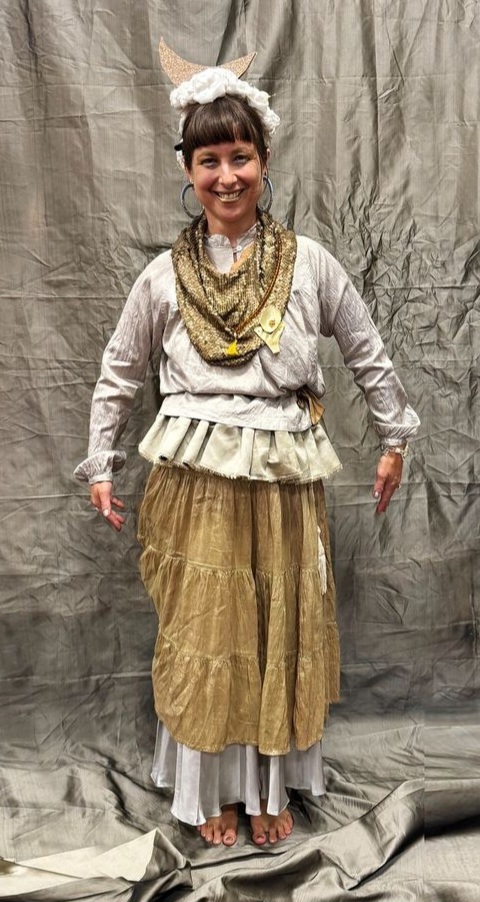
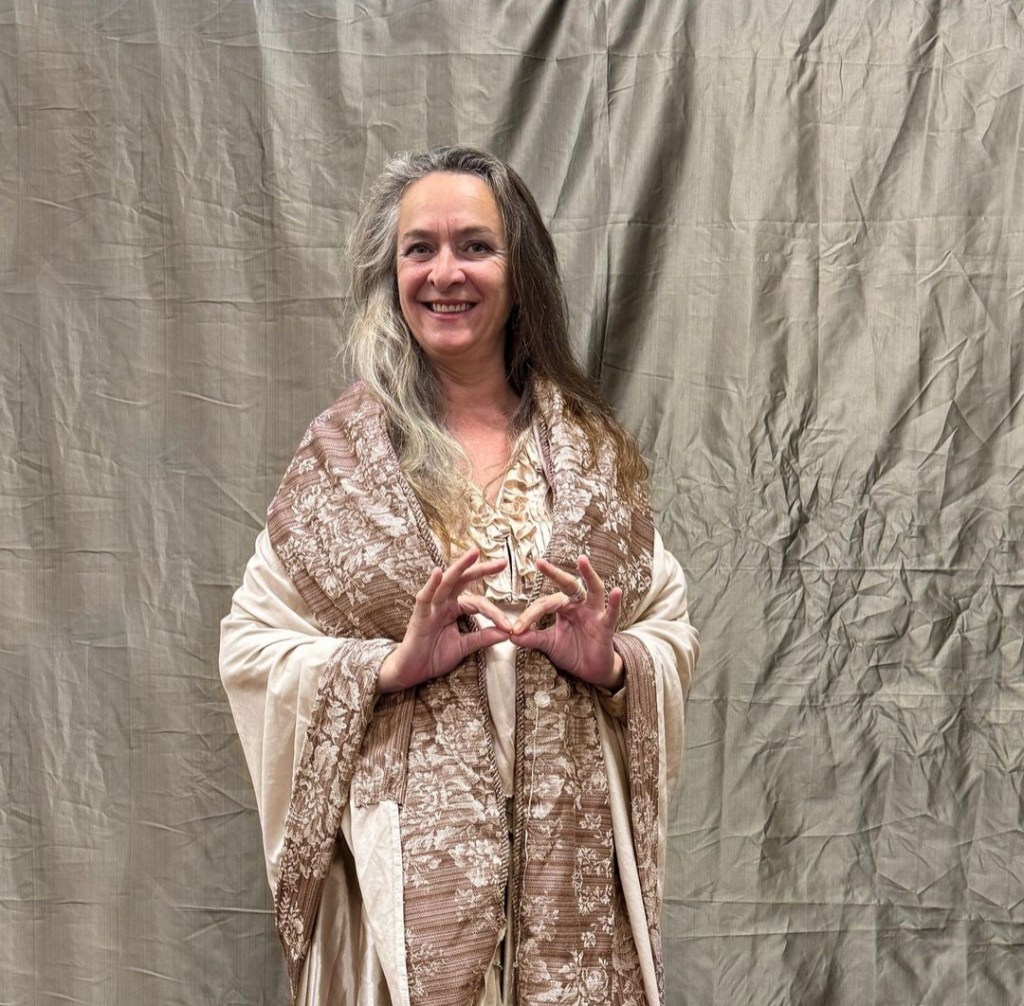
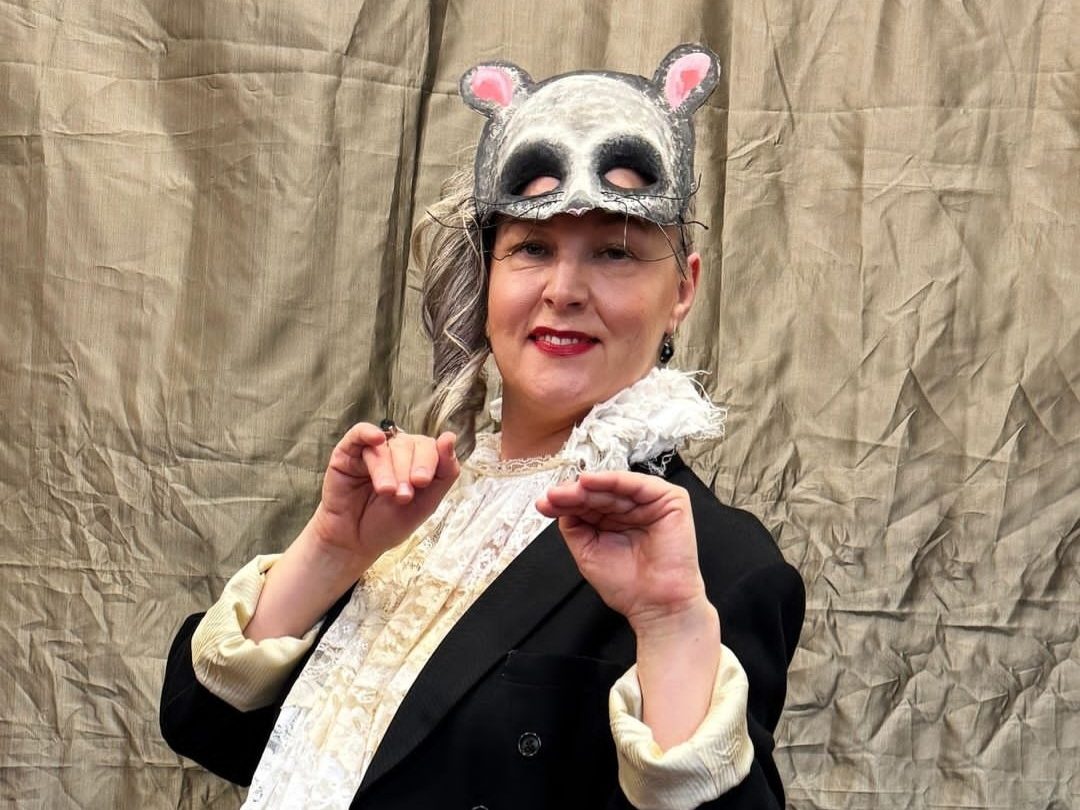
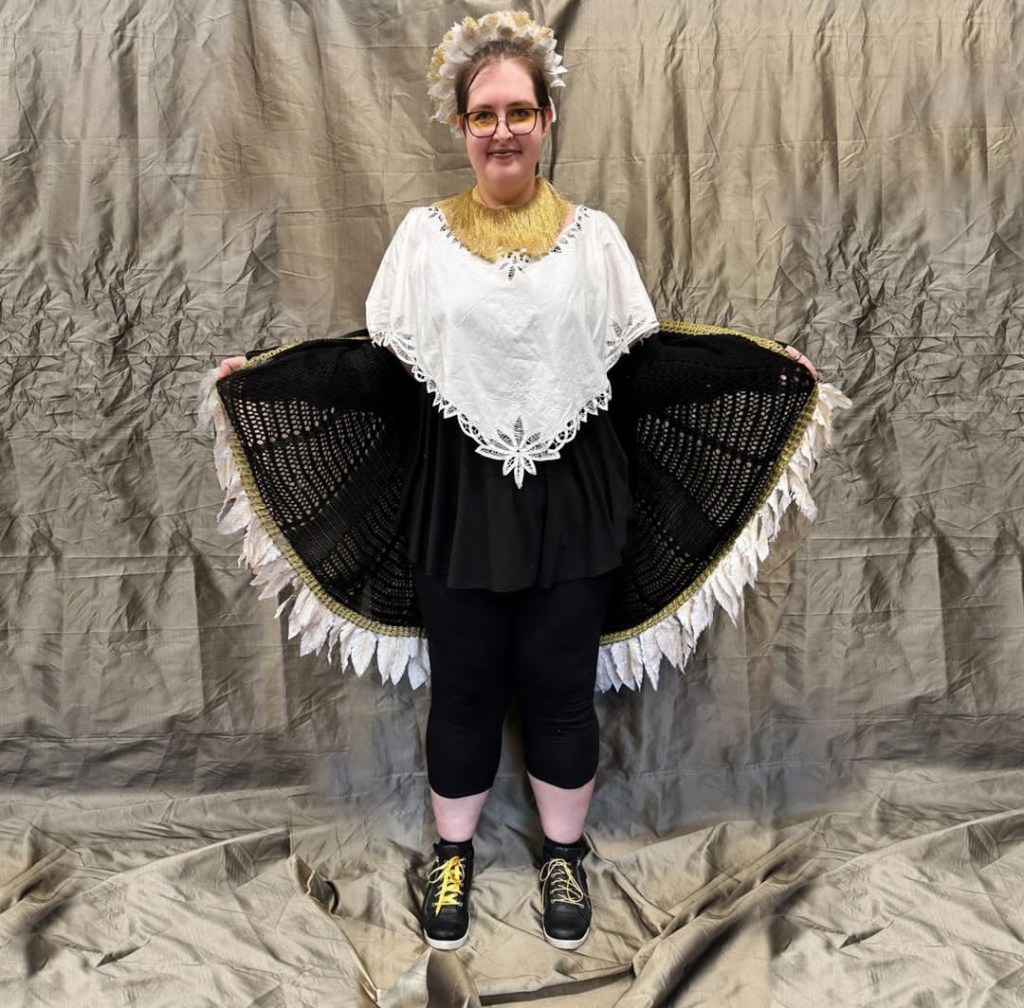

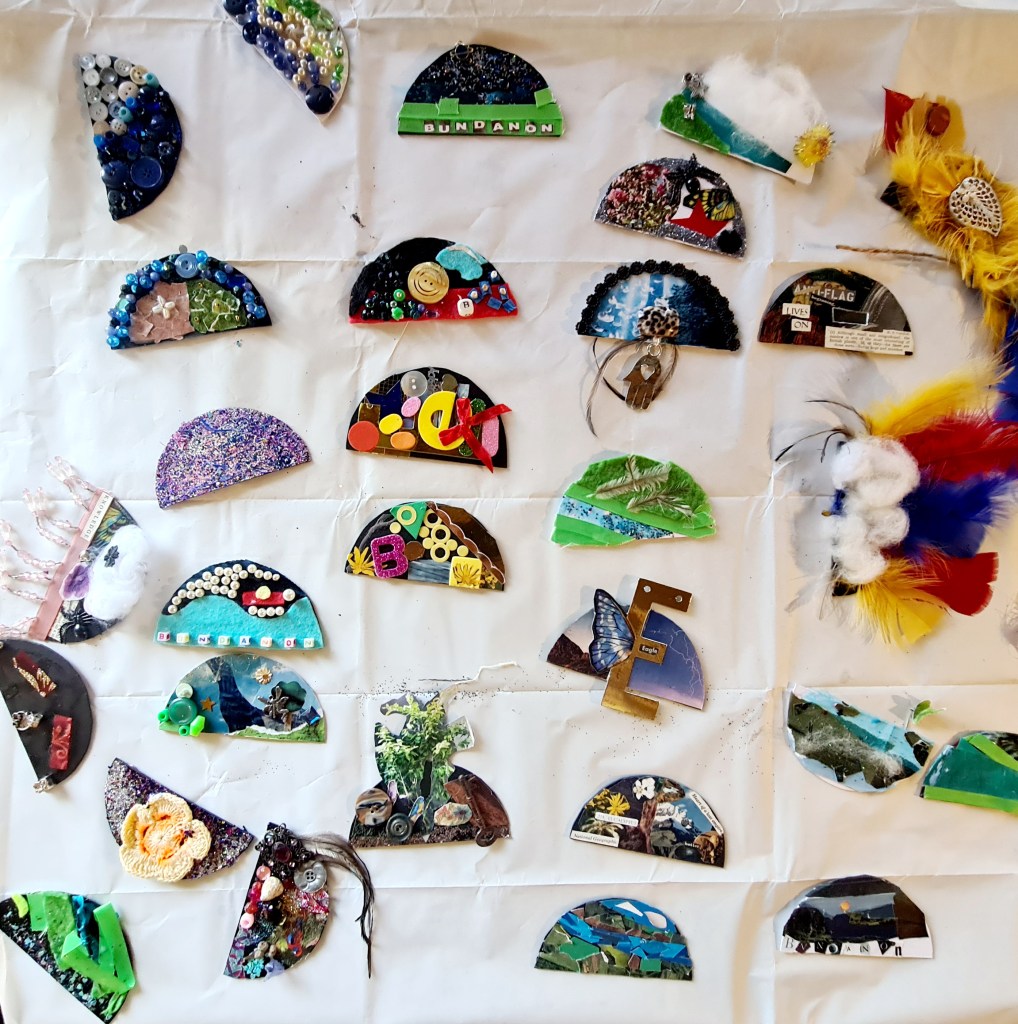
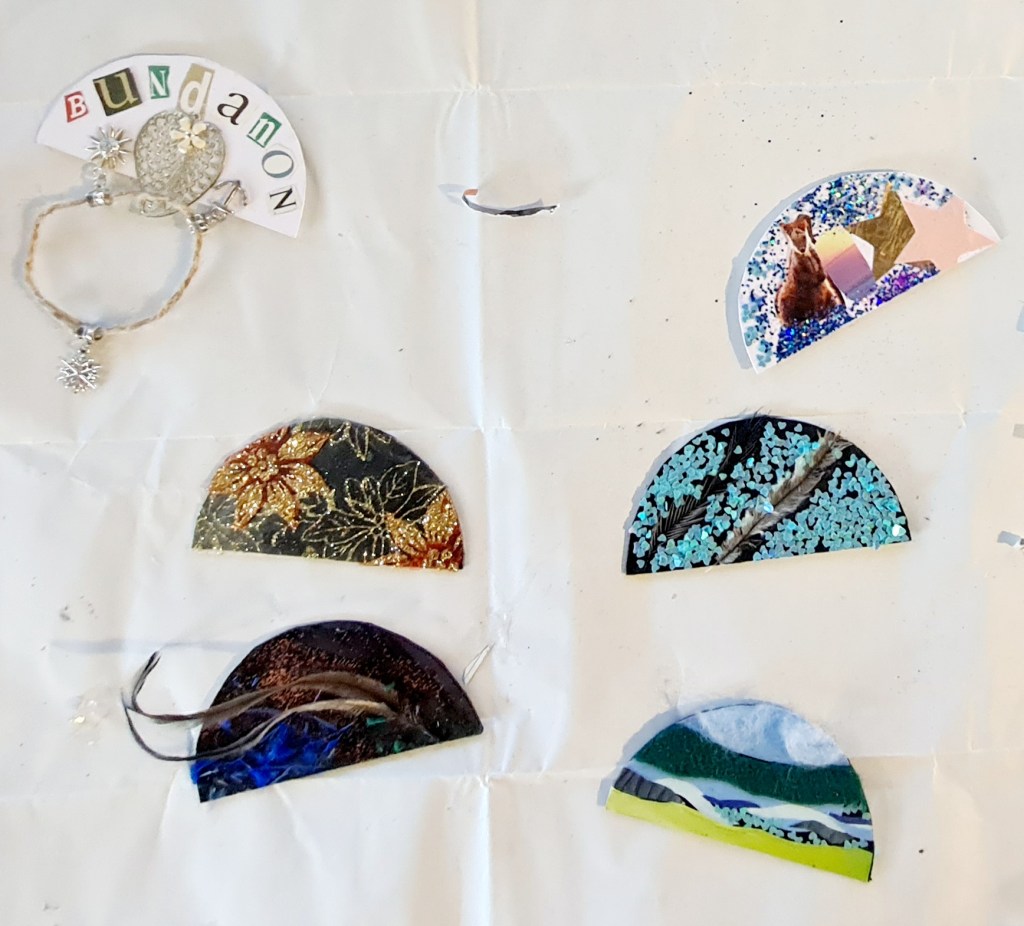
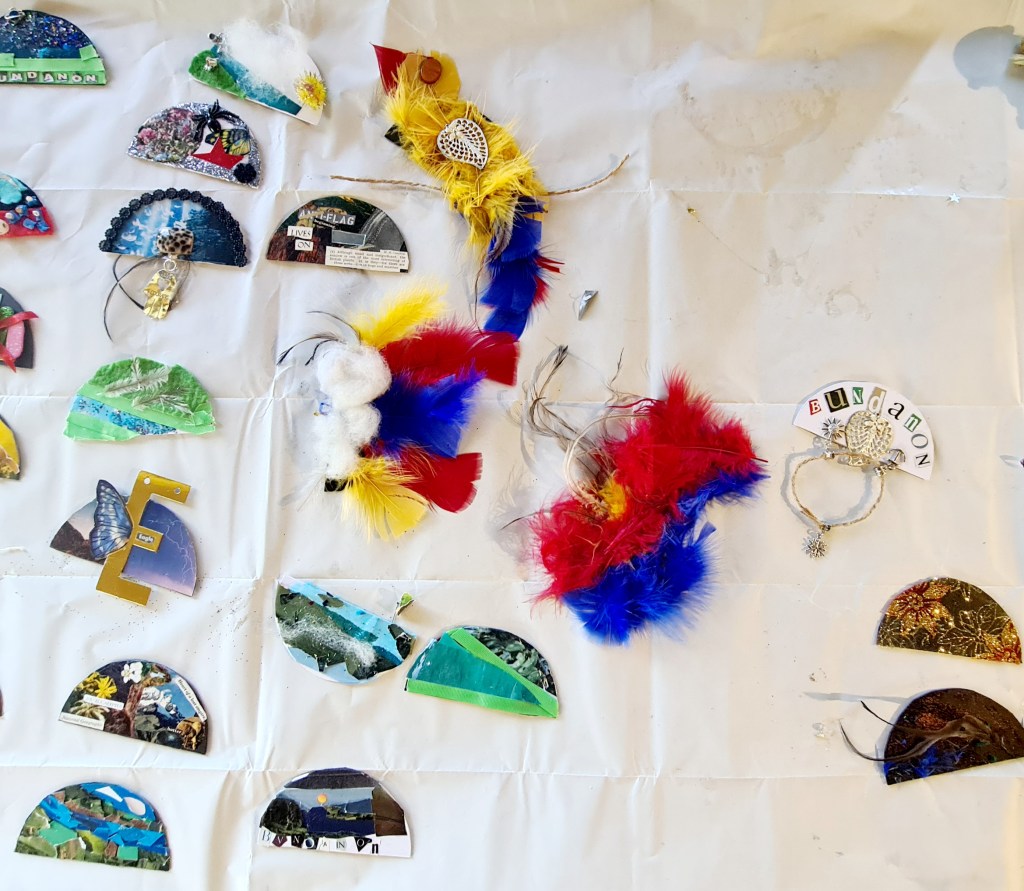
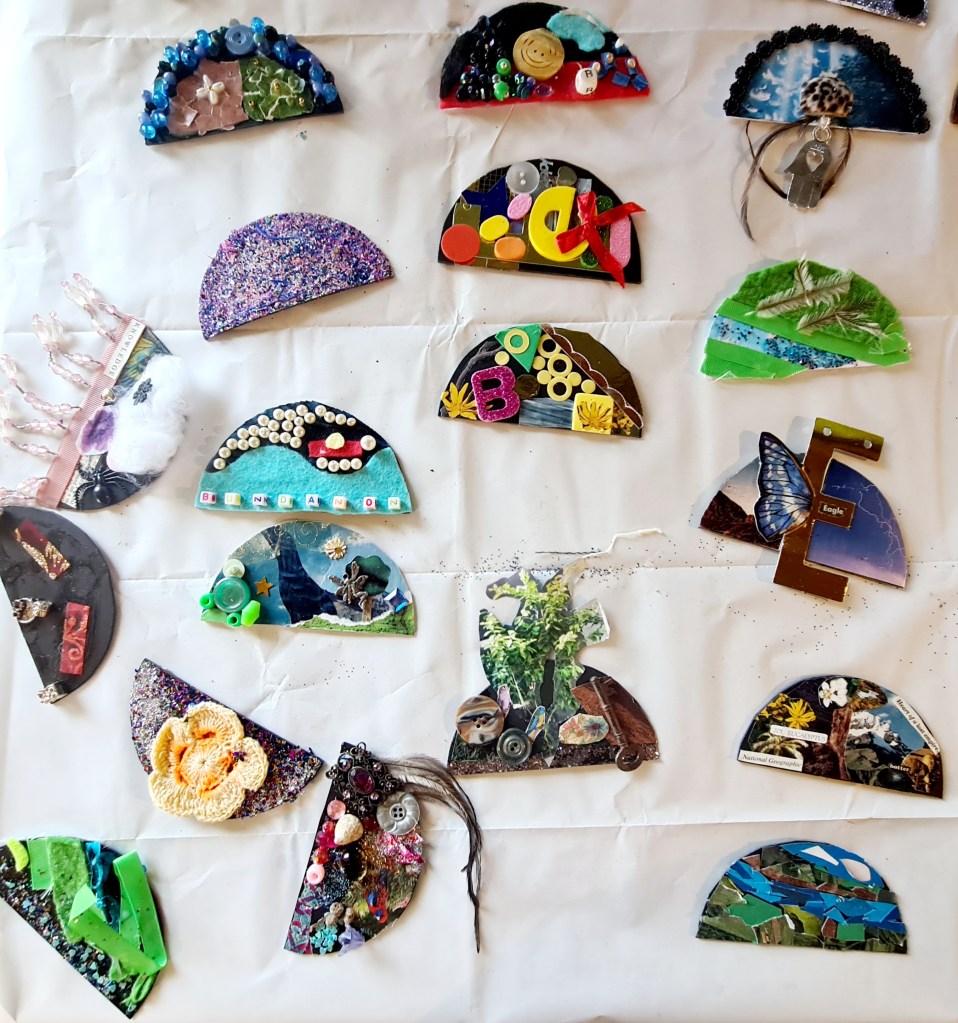
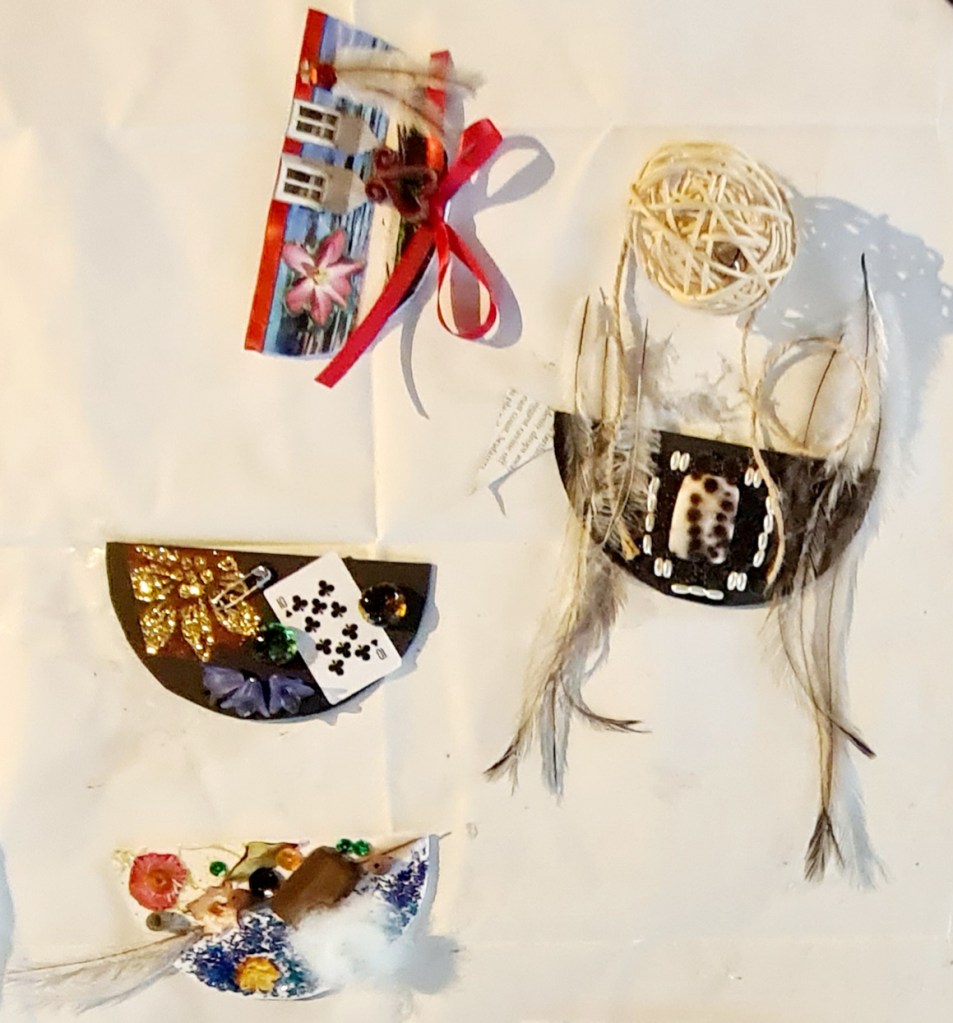

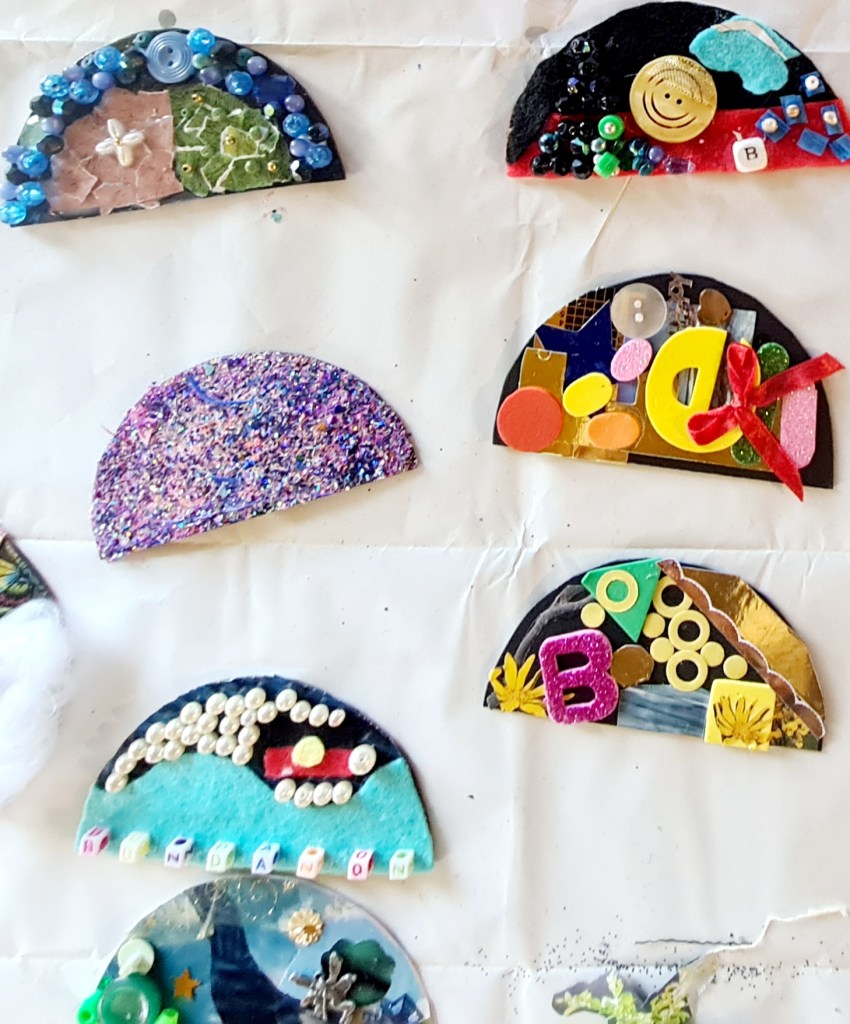
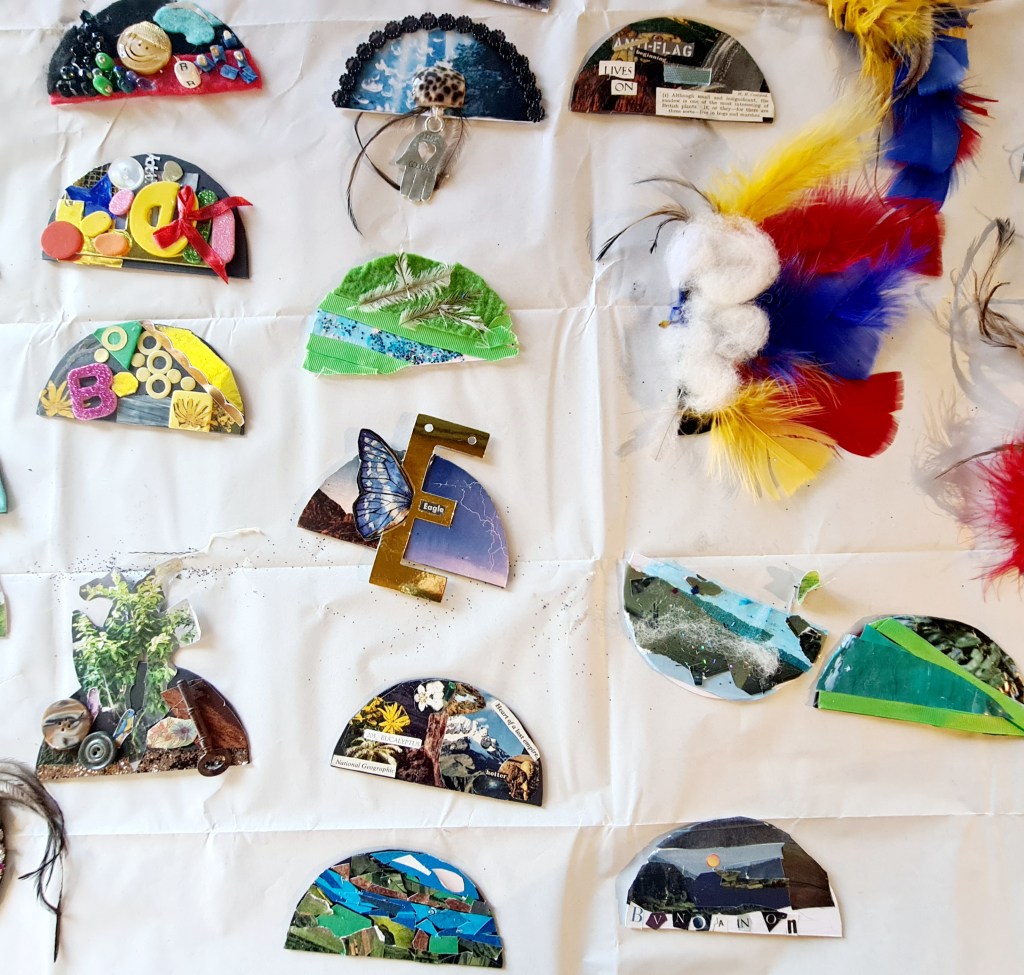
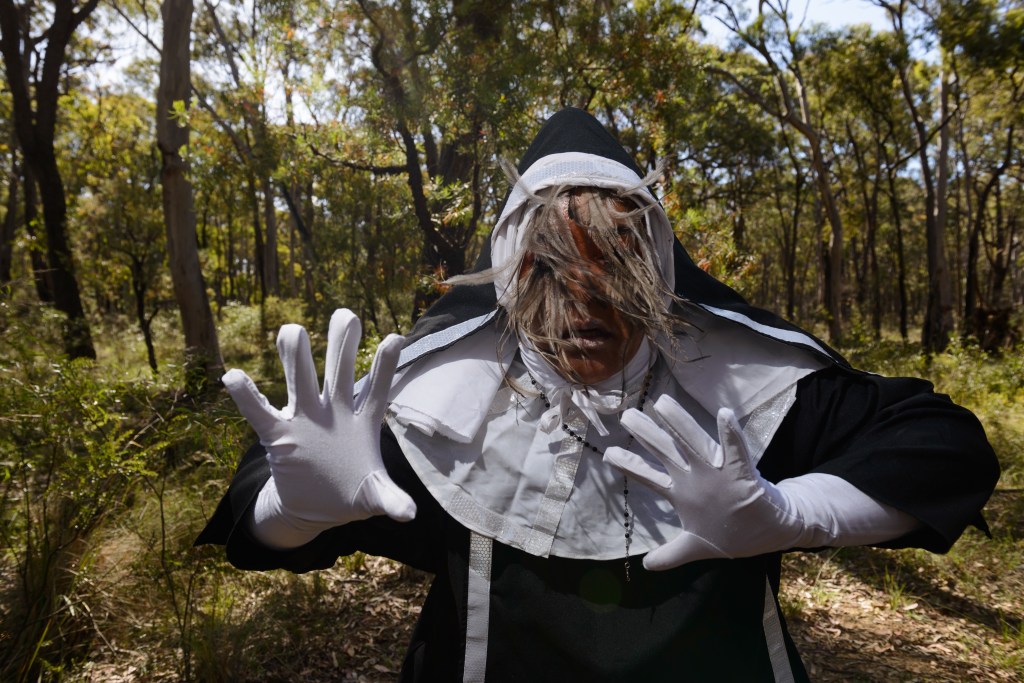

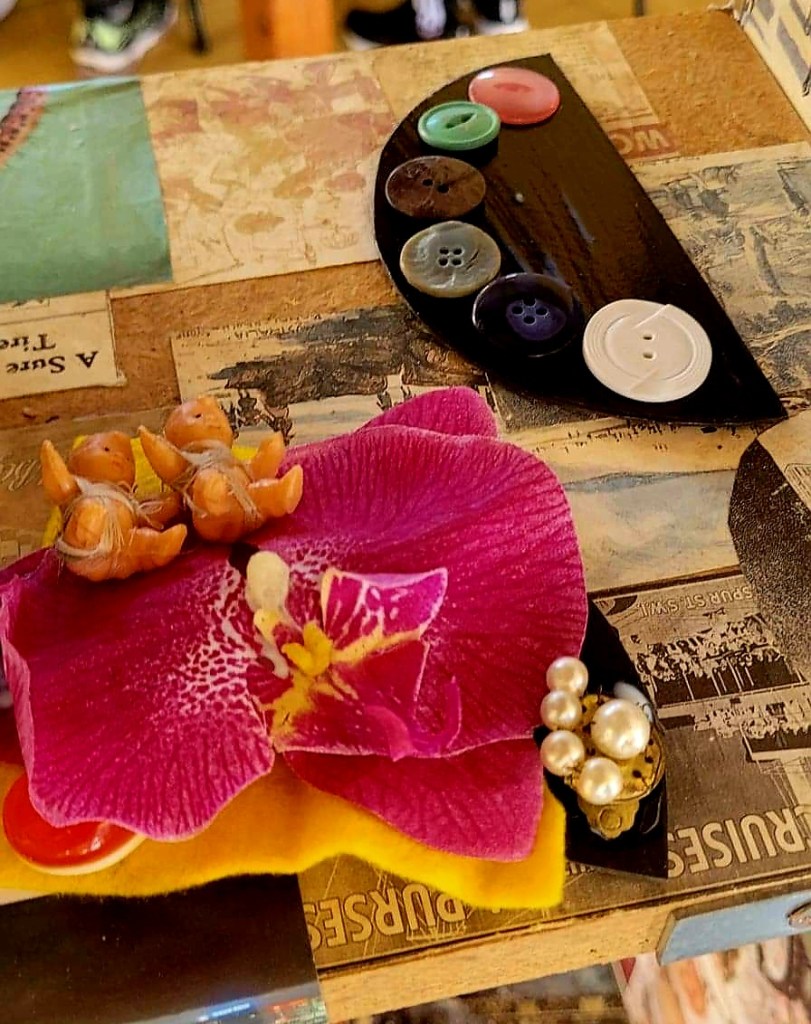

 Juundaal Strang-Yettica
